

From a Venetian palazzo to a mountain retreat beneath the peaks of Lijiang, a new generation of hotels is making the destination as important as the thread count.
There was a time when luxury travel was reassuringly predictable. Crisp sheets, immaculate service, a beautiful bathroom and perhaps a very good martini at the end of the day.
Those things still matter. But increasingly, the most memorable hotels offer something harder to manufacture: a sense of place.
For the traveller who has already experienced beautiful hotels, luxury is becoming less about finding the same polished experience wherever she lands and more about feeling that she couldn’t possibly be anywhere else.
The latest additions to the Design Hotels portfolio make a compelling case for this quieter, more considered approach to travel. Across Costa Rica, Colombia, London, Tokyo, Venice and China, architecture, food, art and wellbeing are being used to tell the story of the destination itself.
Hotels worth travelling for
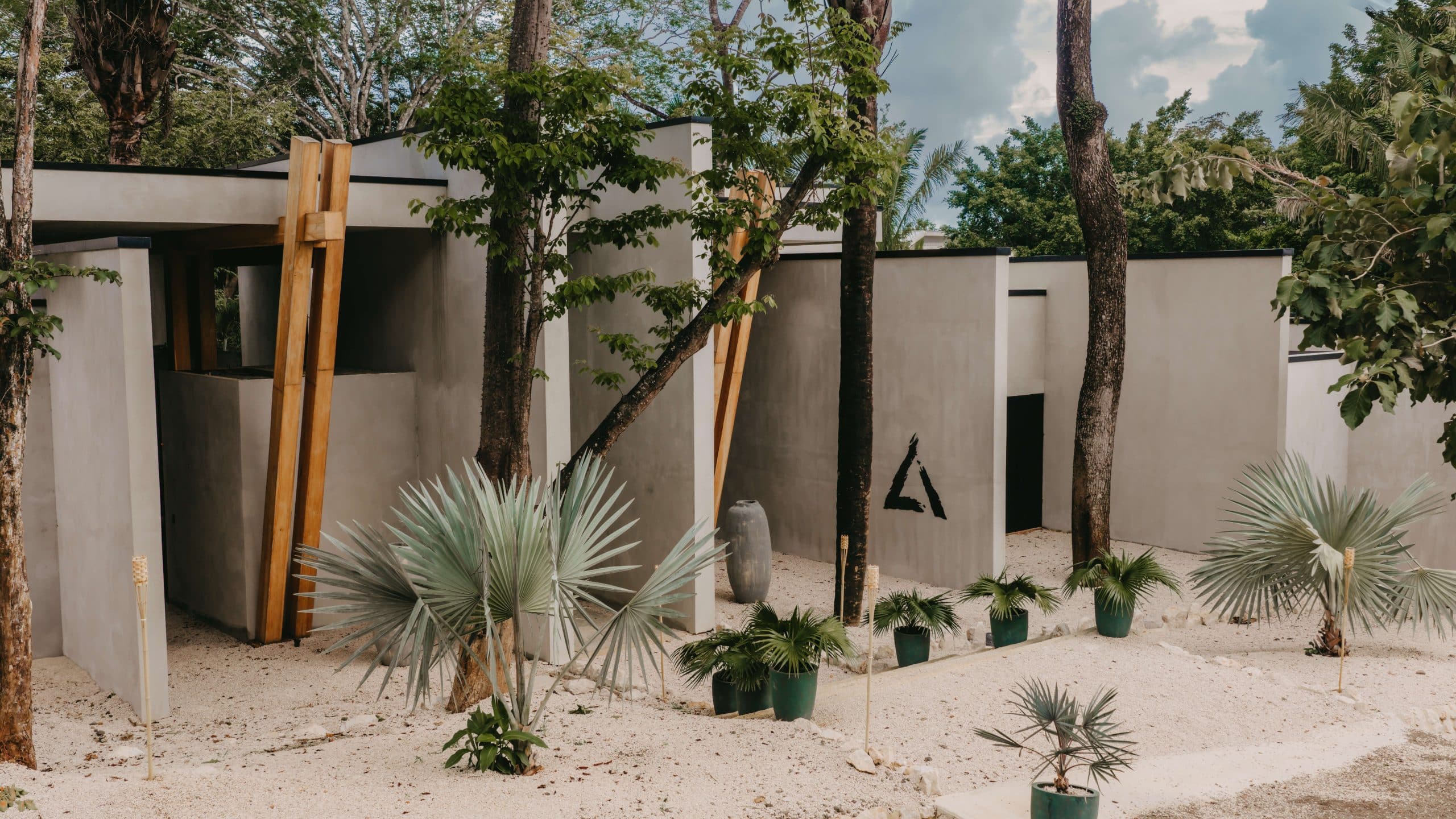
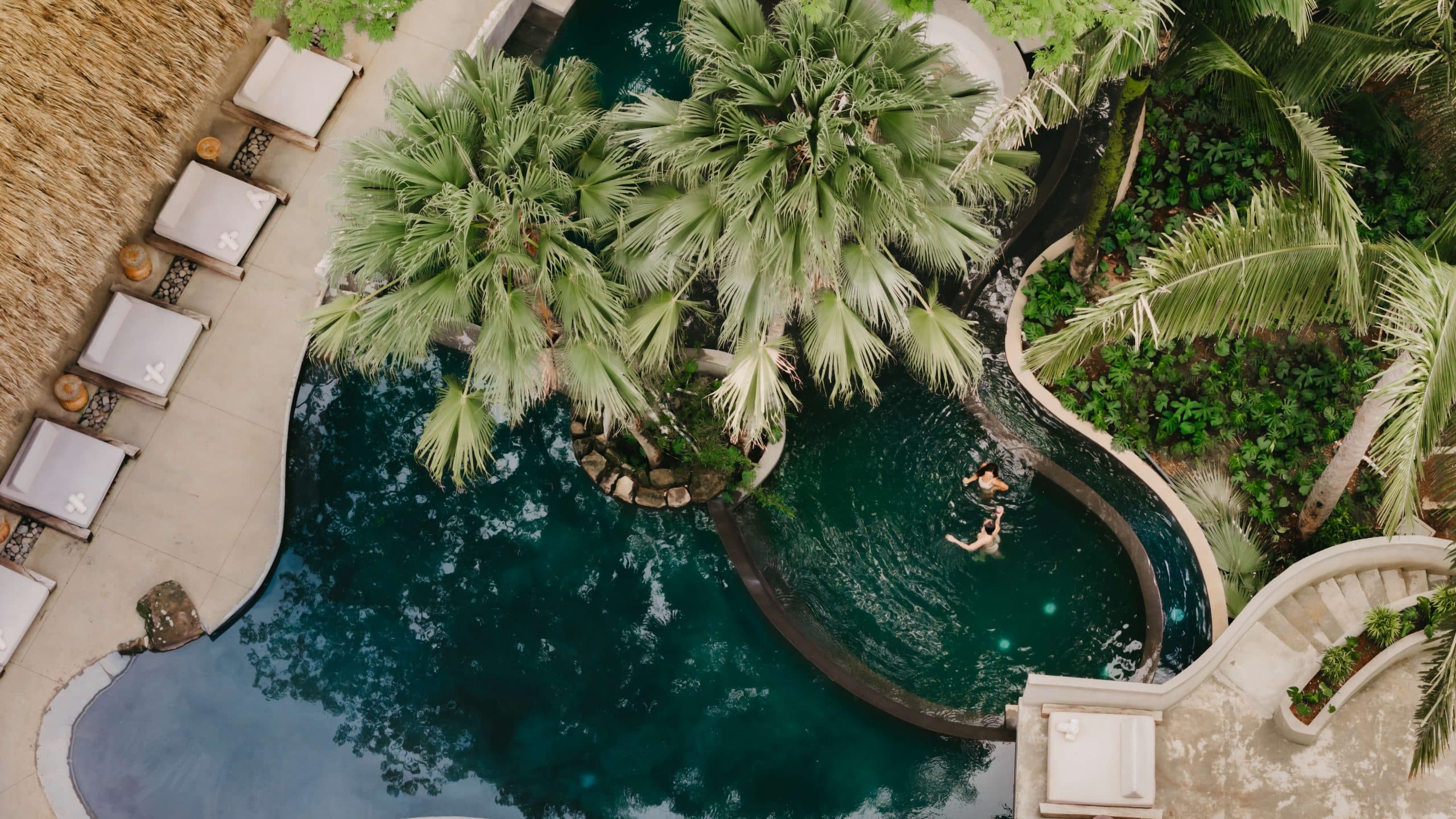
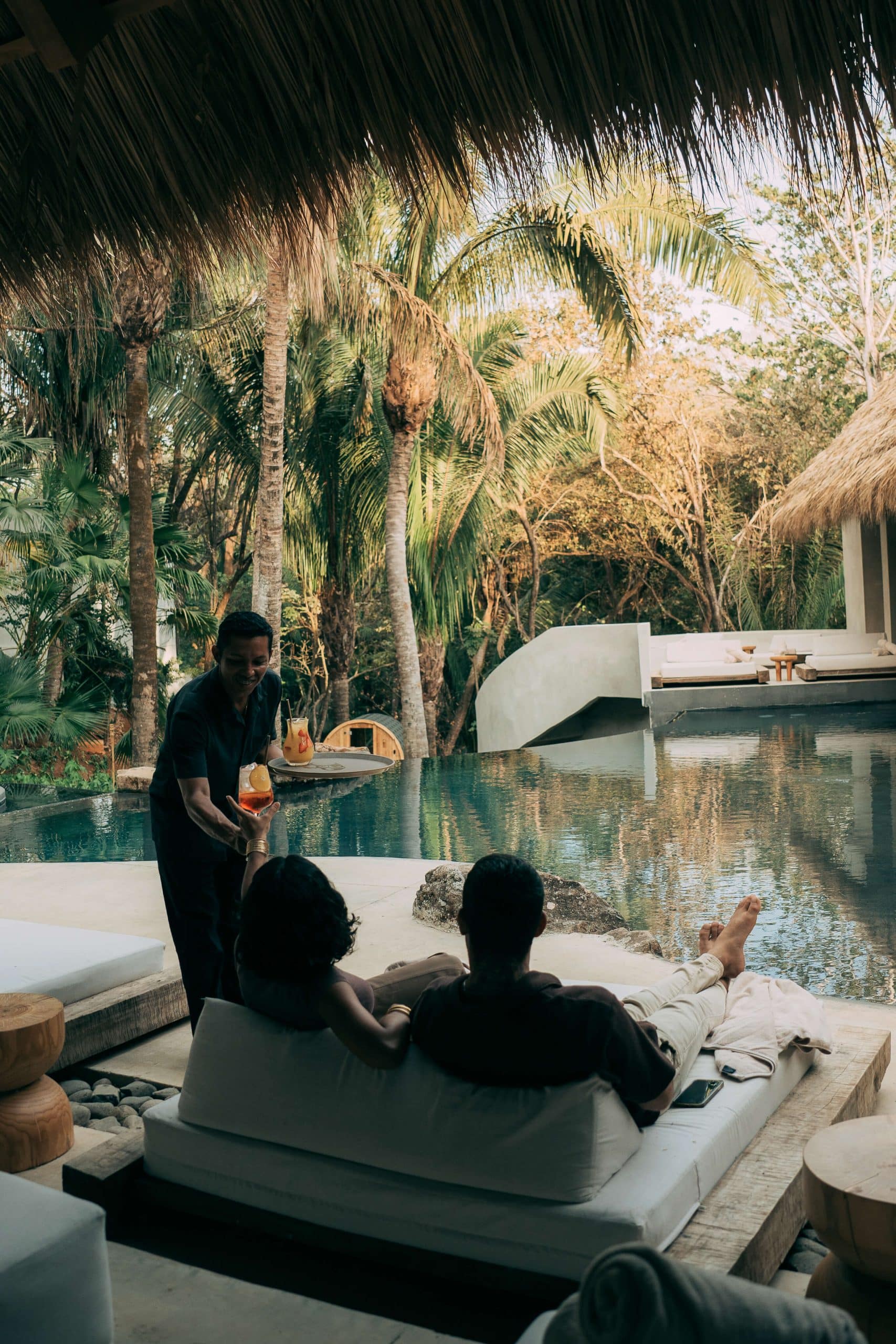
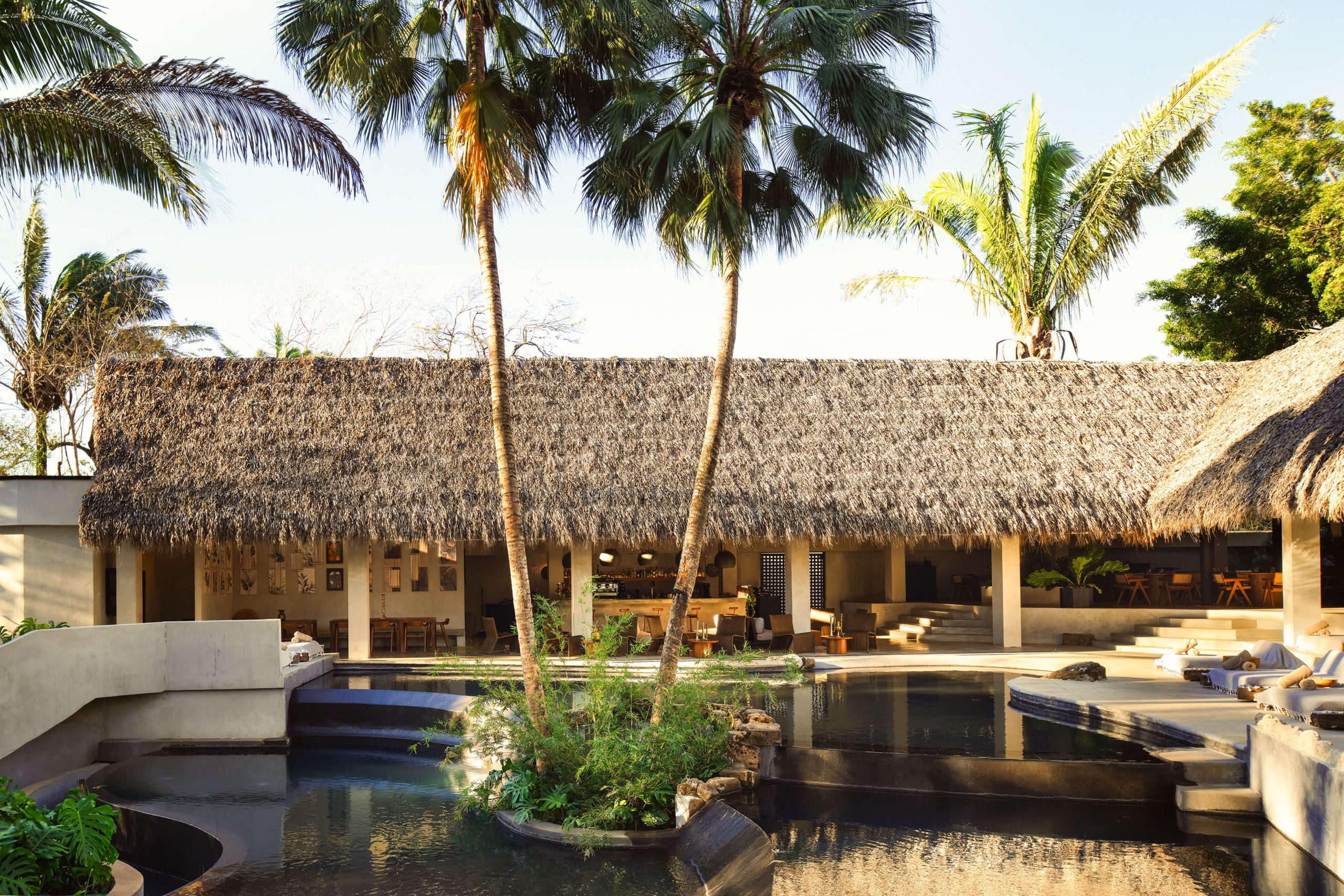
At Esh Hotel & Spa in Nosara, Costa Rica, arrival begins not with a glass of Champagne but with an intention. Guests write one down before casting the paper into a lobby firepit.
Beyond it, jungle paths lead to minimalist suites where concrete, linen and burnt wood create a Brutalist-meets-Wabi-sabi aesthetic. The hotel’s restaurant takes a locavore approach, while its wellness offering draws upon its setting on Costa Rica’s Nicoya Peninsula.








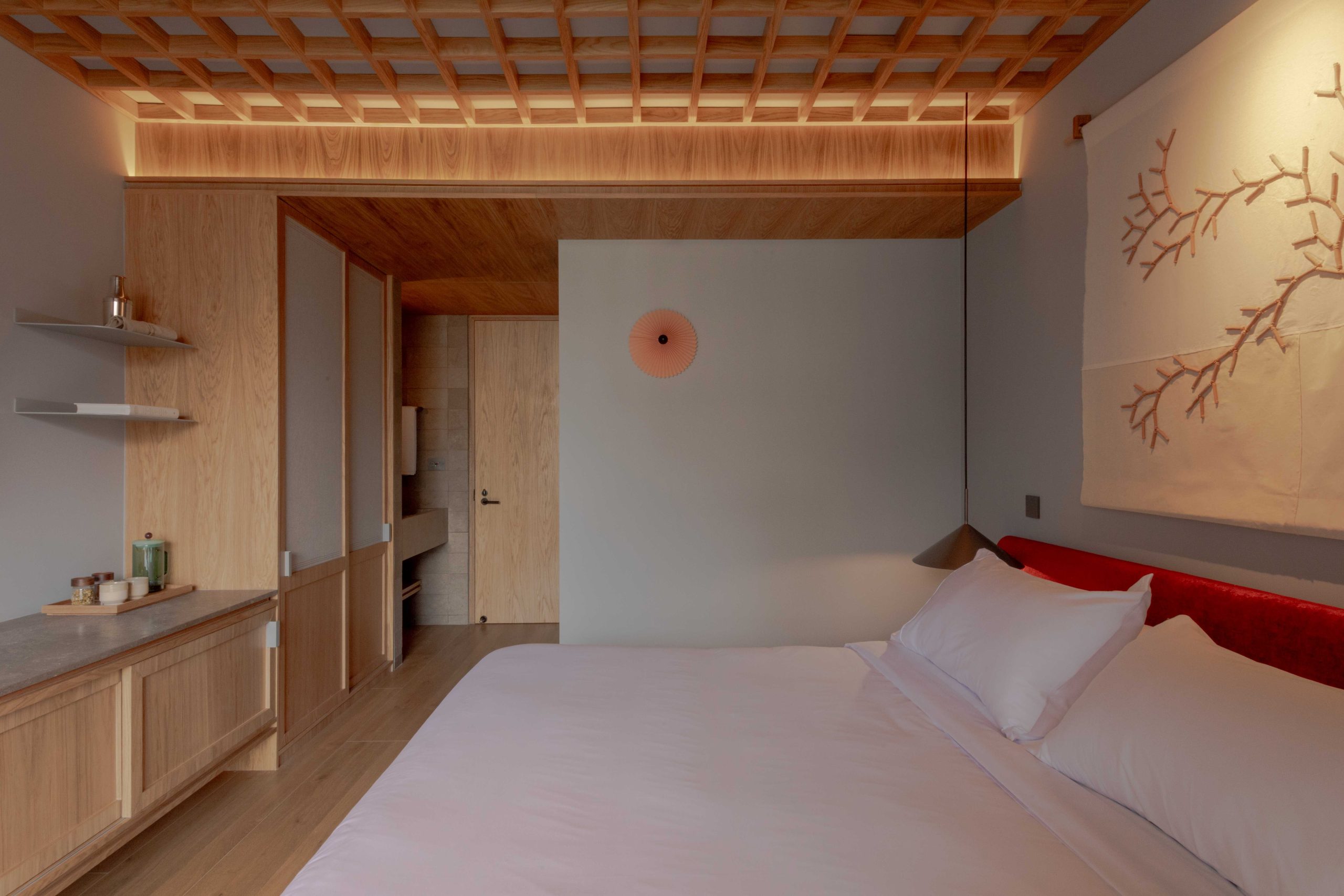
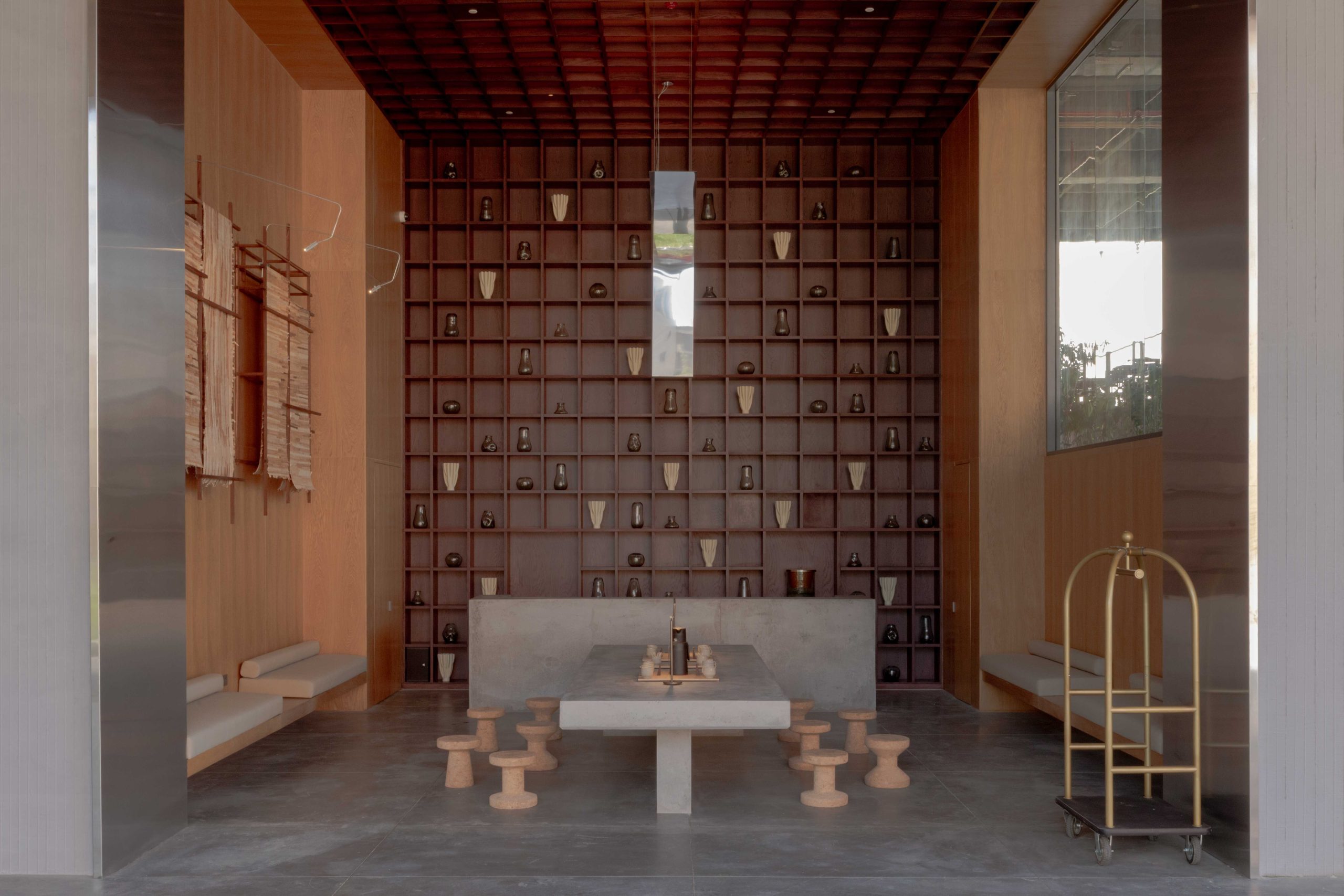
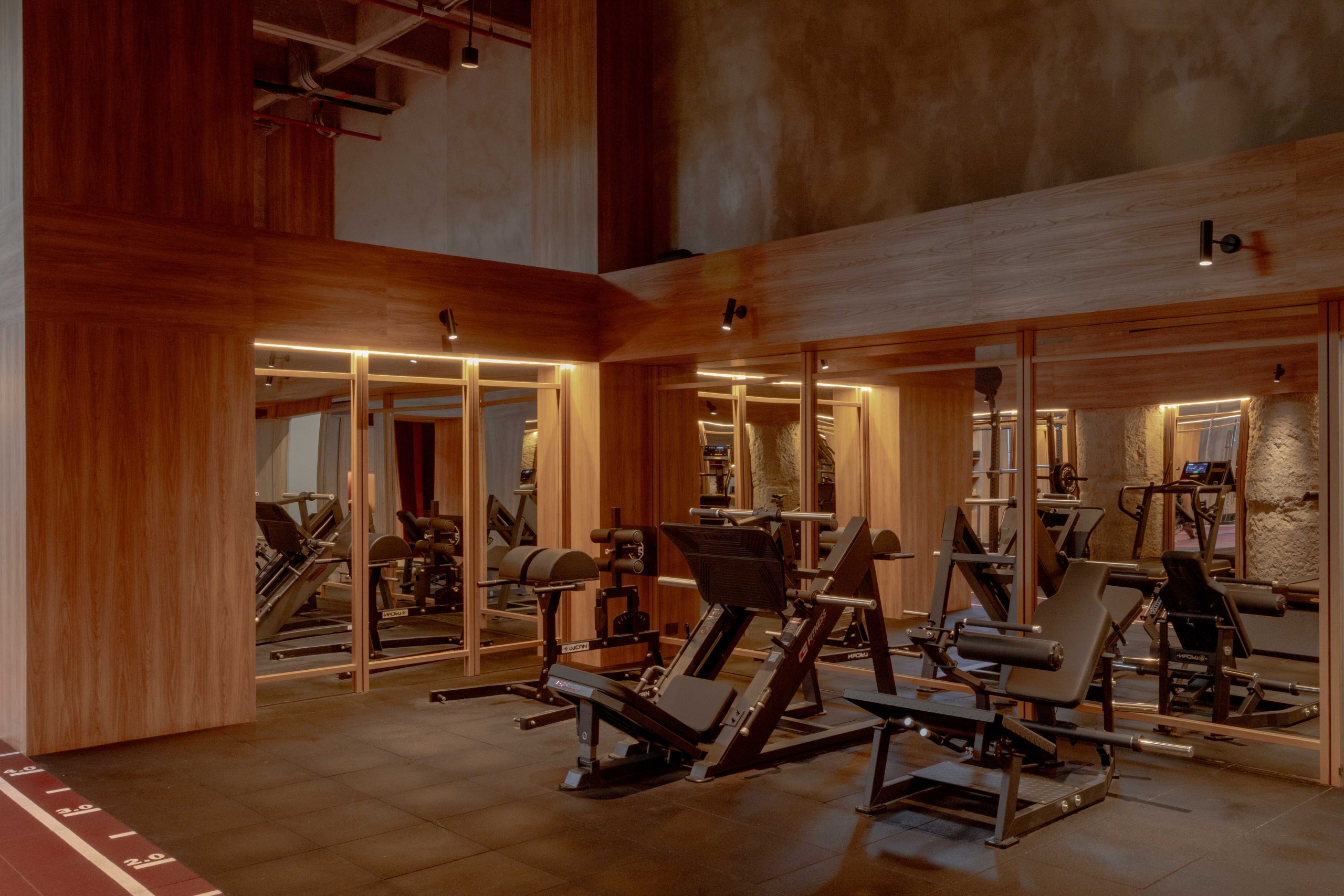
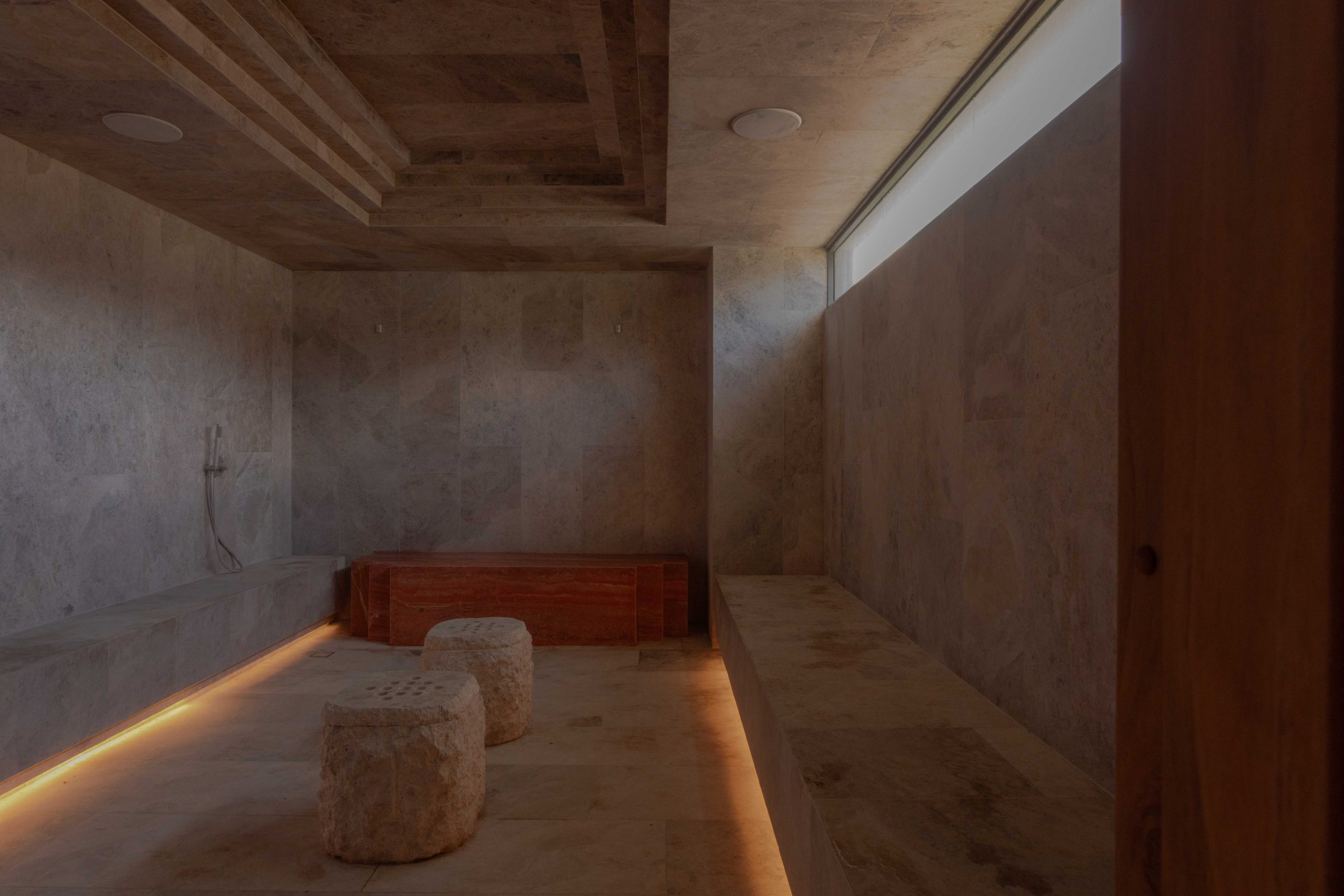
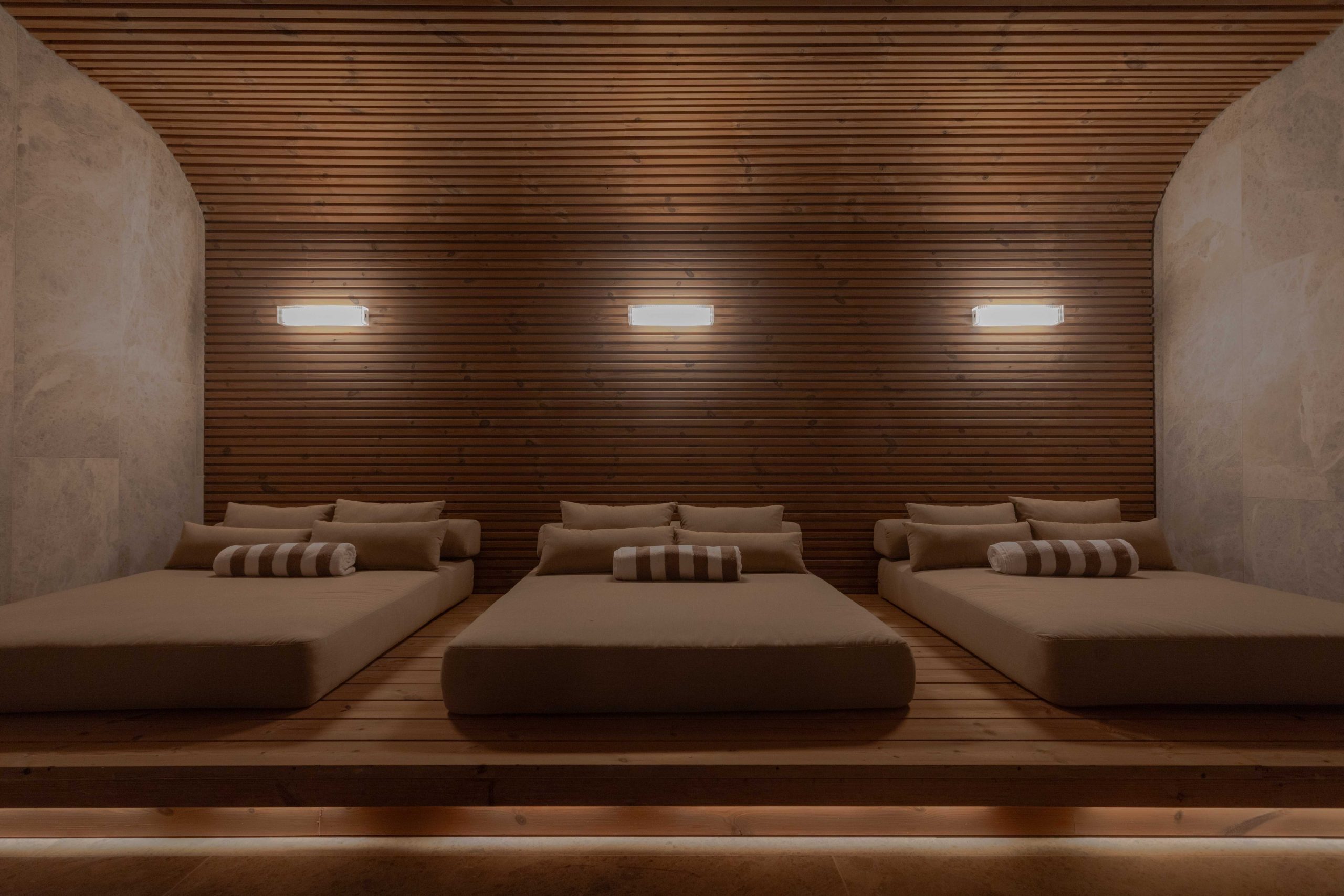
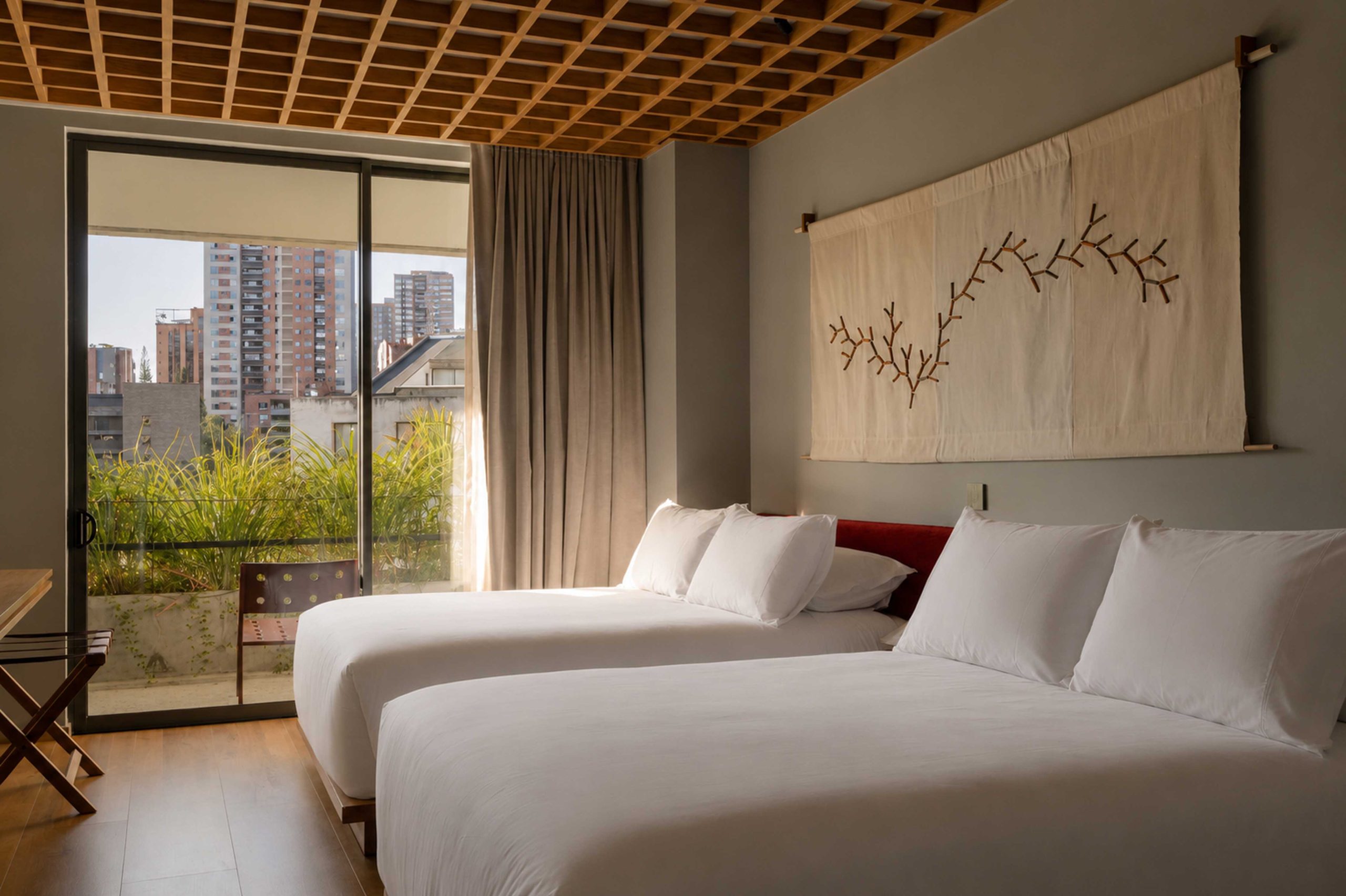
In Colombia, Wake Medellín takes the sanctuary concept into the city. Japanese and Nordic-influenced interiors sit alongside Colombian artwork, while the wellness offering includes three temperature-controlled pools, infrared sauna, flotation therapy, hammam, yoga, Pilates and meditation spaces. Chef Jaime Rodríguez brings the destination back onto the plate with a contemporary interpretation of Colombian ingredients at Boro.











Sometimes luxury means slowing down
The same philosophy appears closer to home.
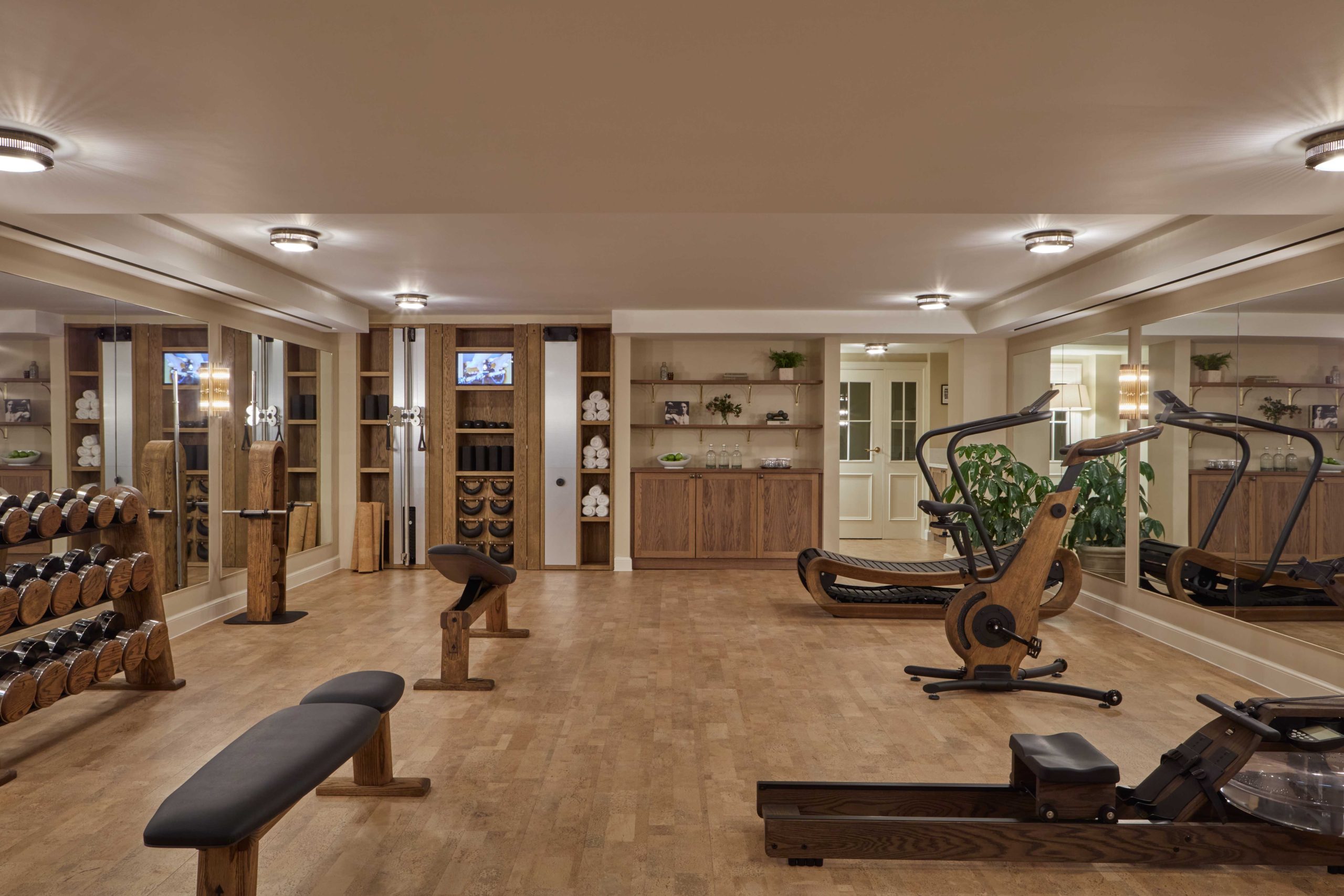
West London’s Miiro Templeton Garden occupies interconnected Victorian townhouses near Earl’s Court. Its library nods to the area’s literary history, including former residents Beatrix Potter and Agatha Christie, while a leafy garden, conservatory and seasonally led British restaurant create something that feels more residential retreat than anonymous city hotel.




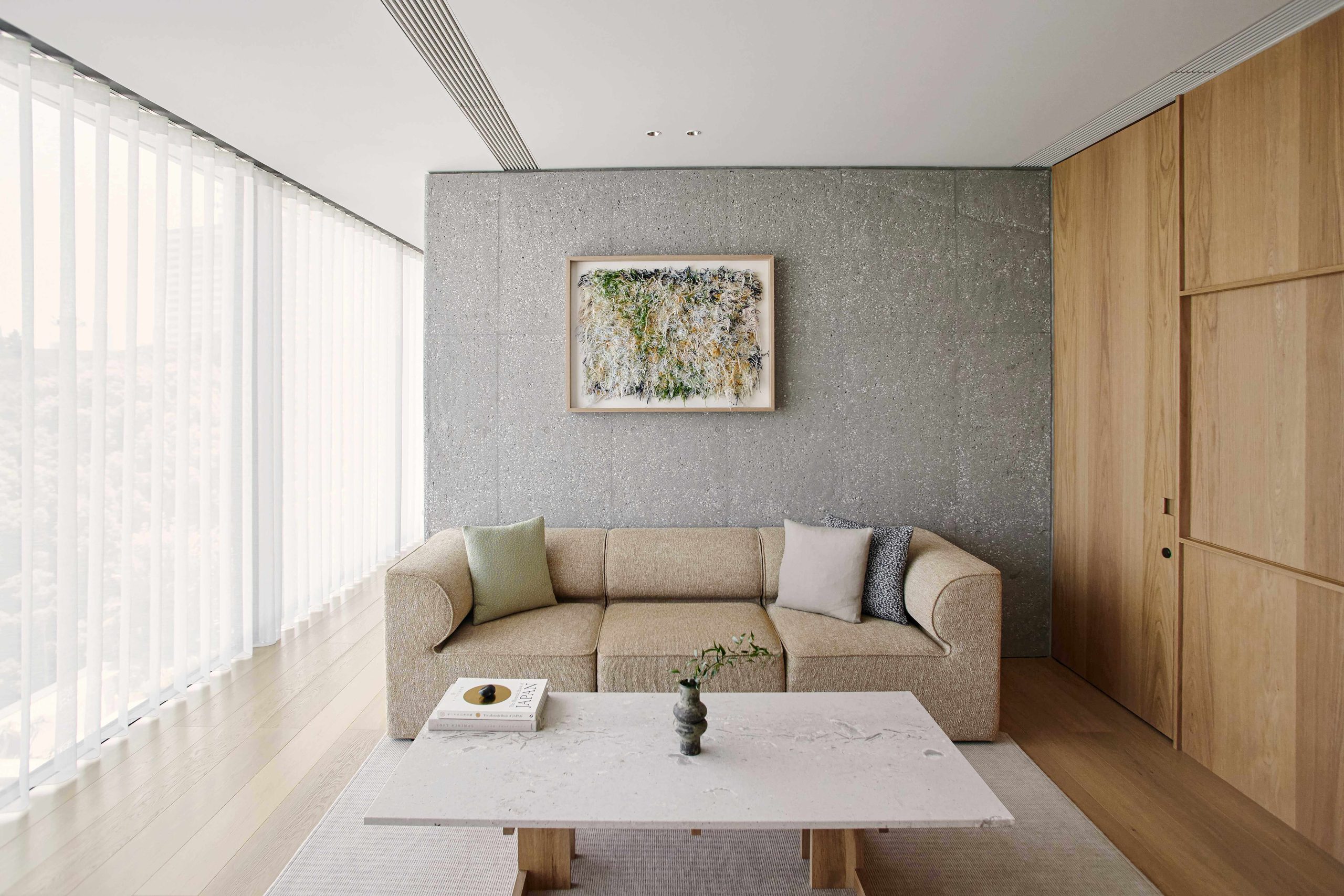
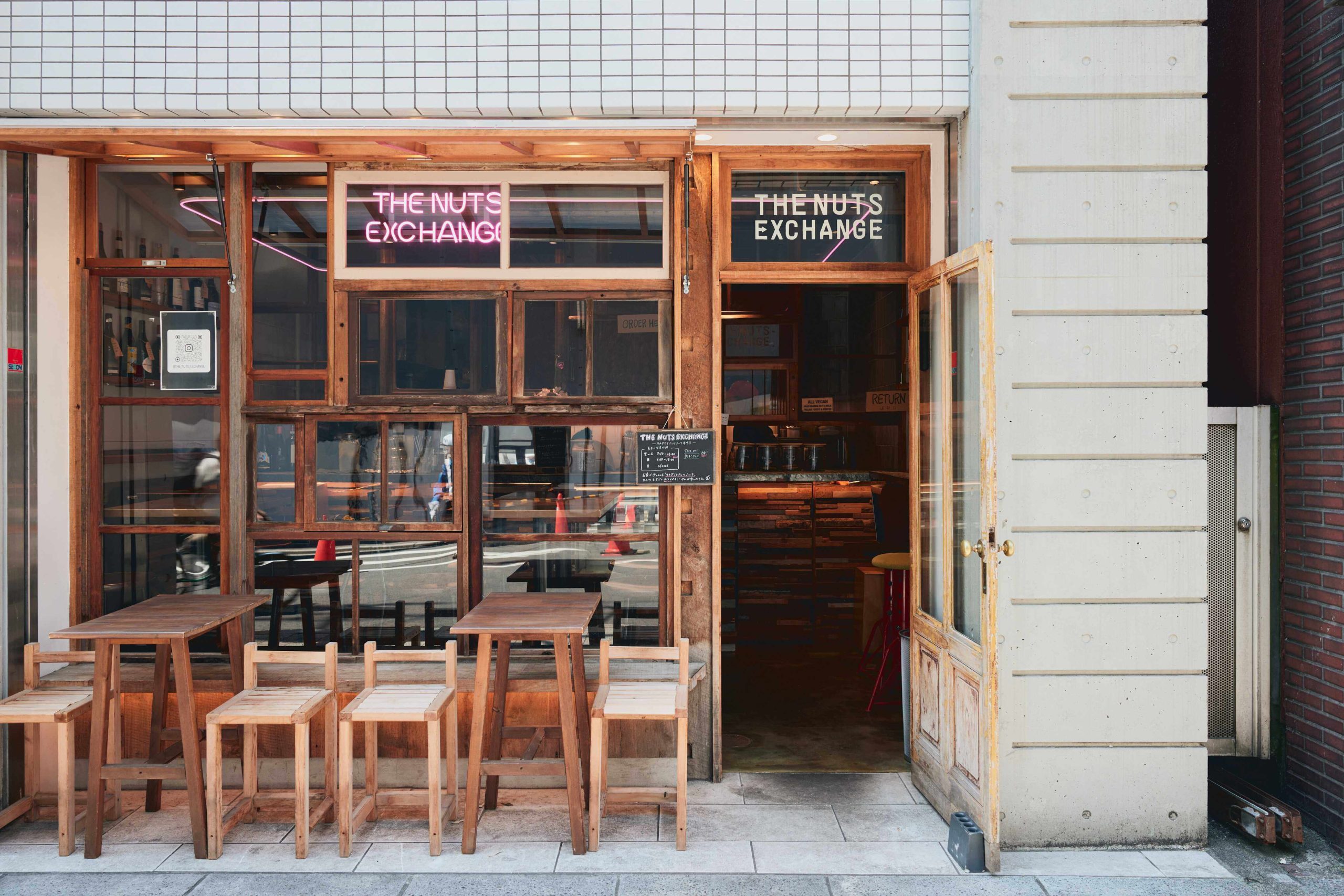
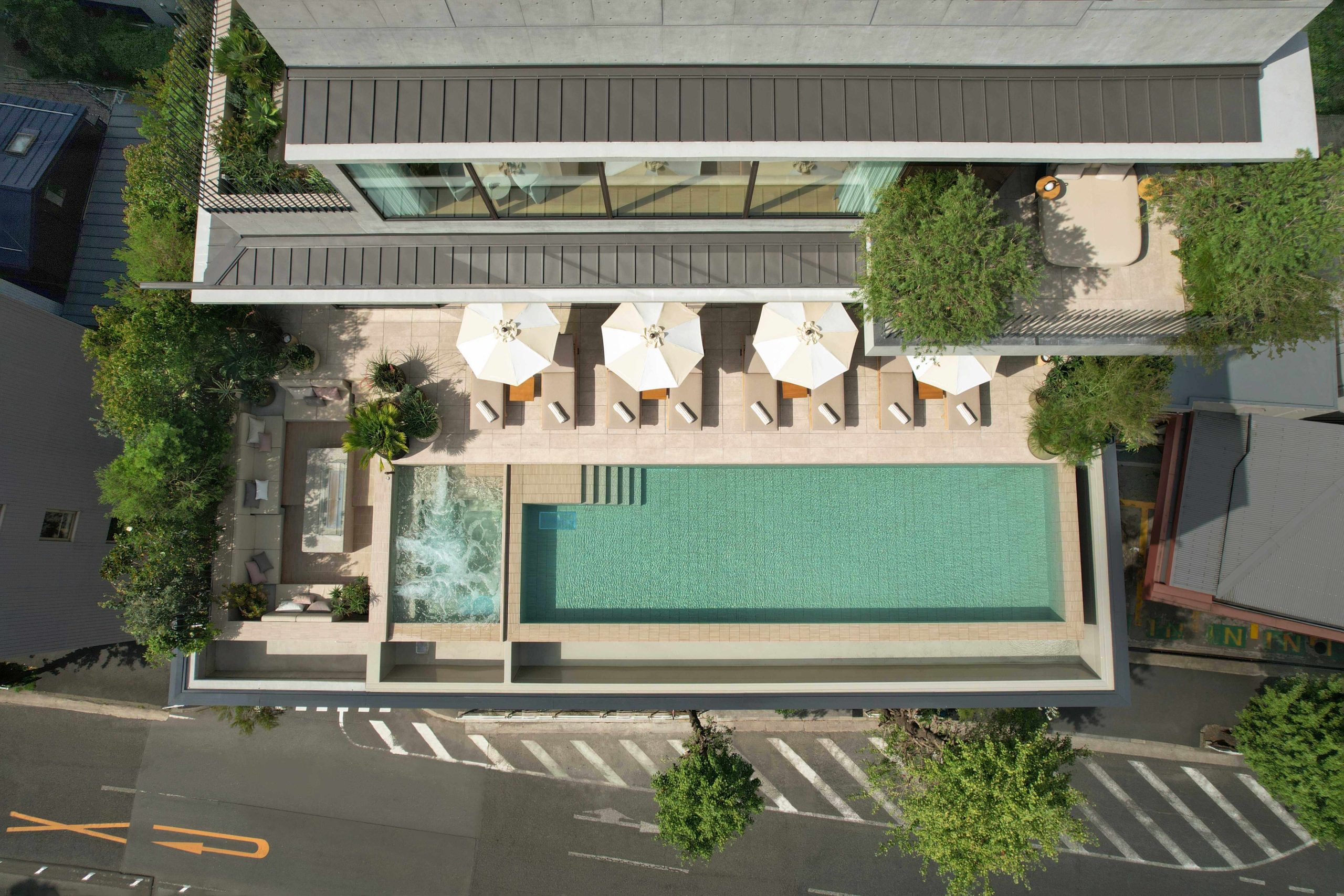
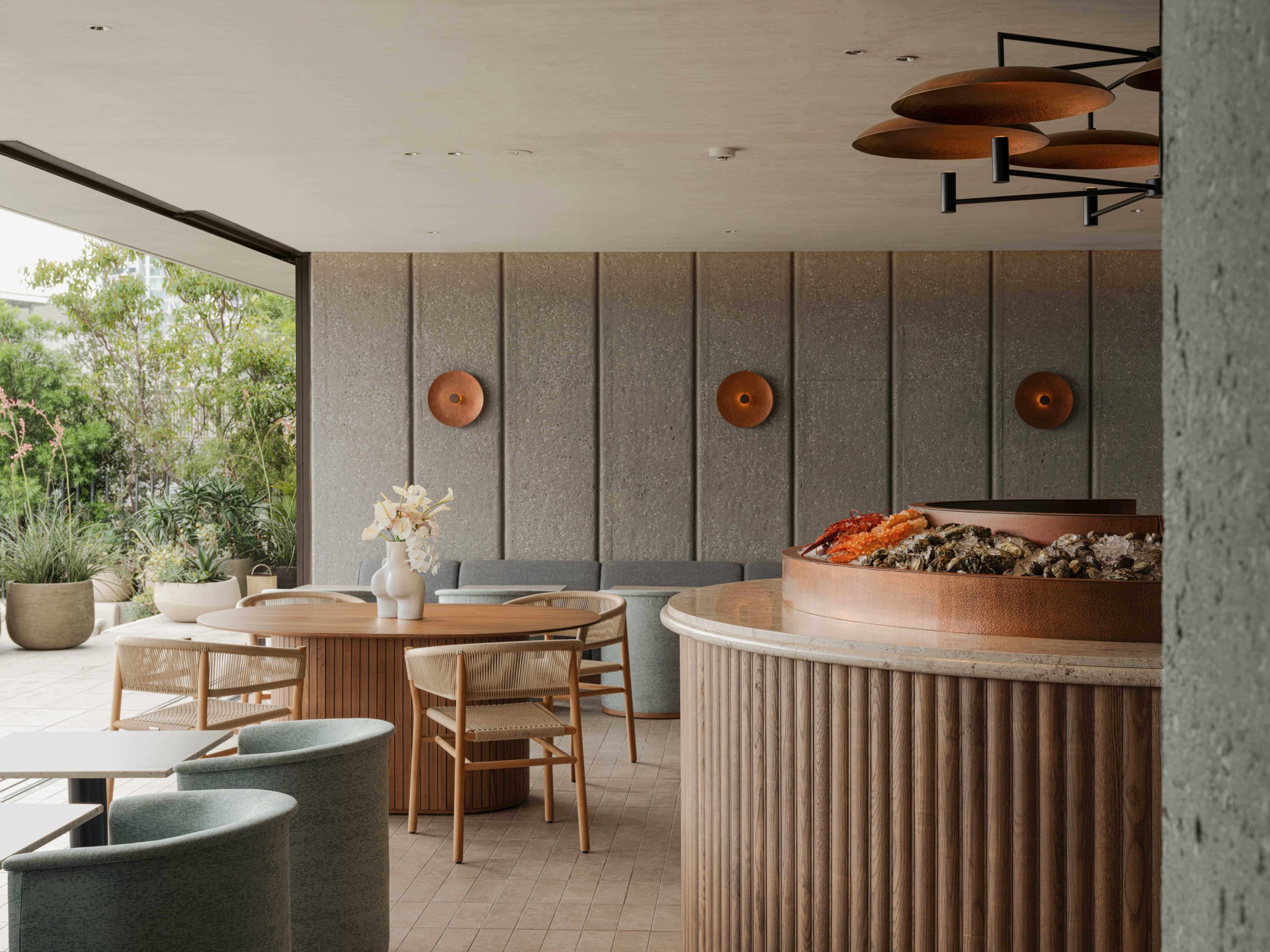
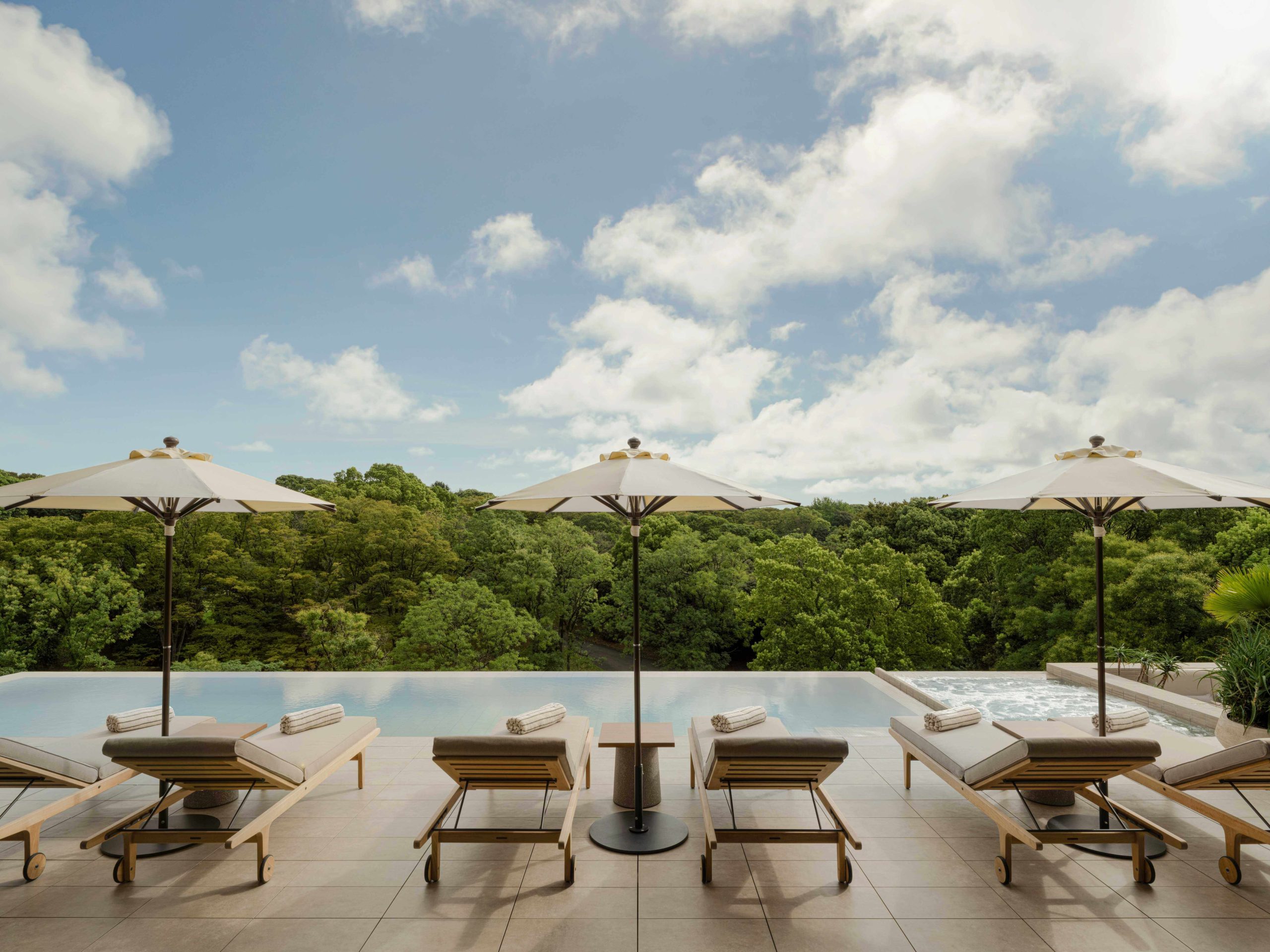
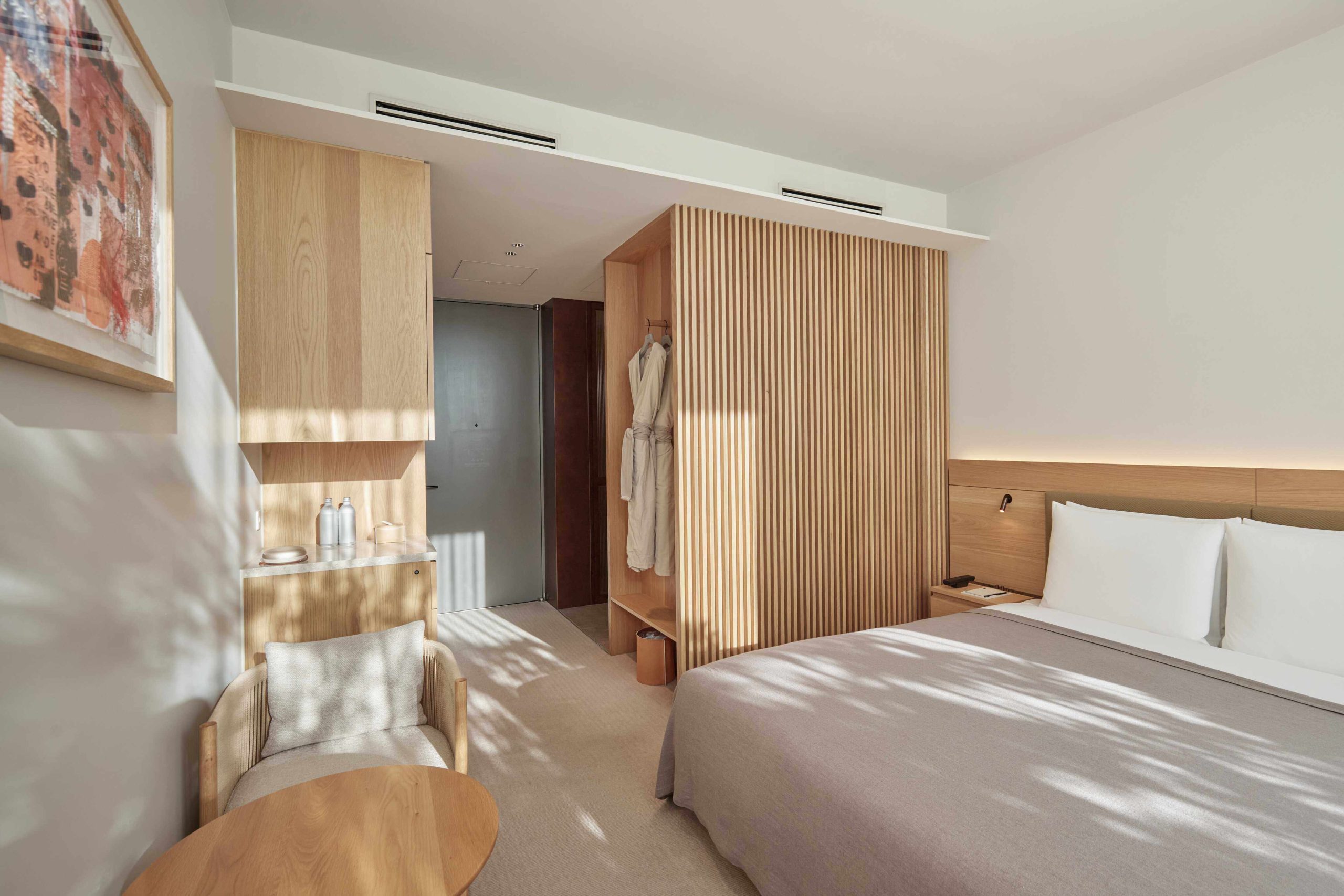
Then there’s Trunk Hotel Yoyogi Park in Tokyo, where Scandinavian modernism meets Japanese minimalism opposite one of the city’s largest green spaces. Floor-to-ceiling windows and balconies keep nature in view, while a rooftop heated infinity pool provides quite the antidote to a day spent exploring Shibuya.













The return of cultural immersion
Perhaps the most interesting evolution in luxury hospitality, however, is the move from simply observing a destination to participating in it.
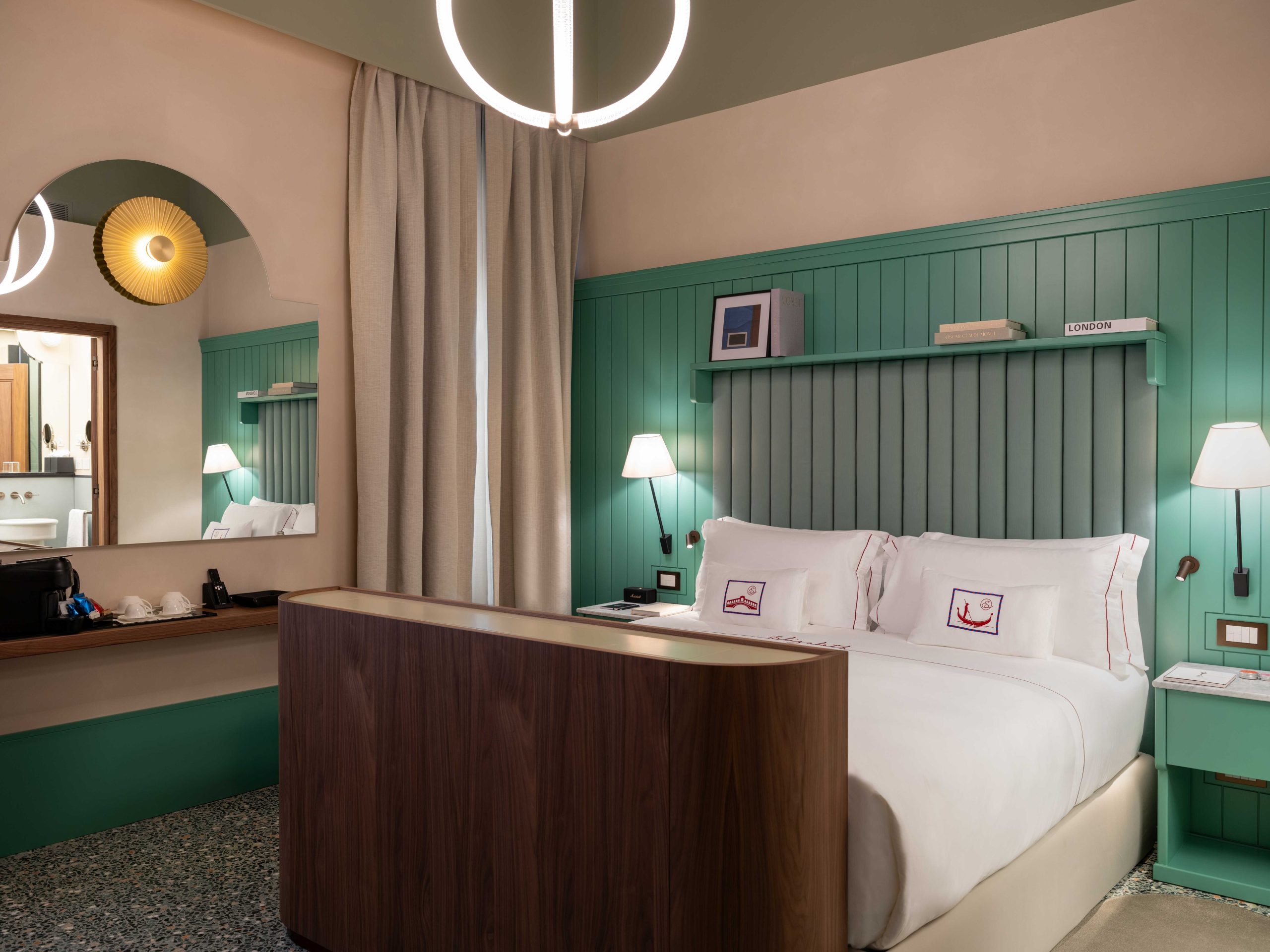
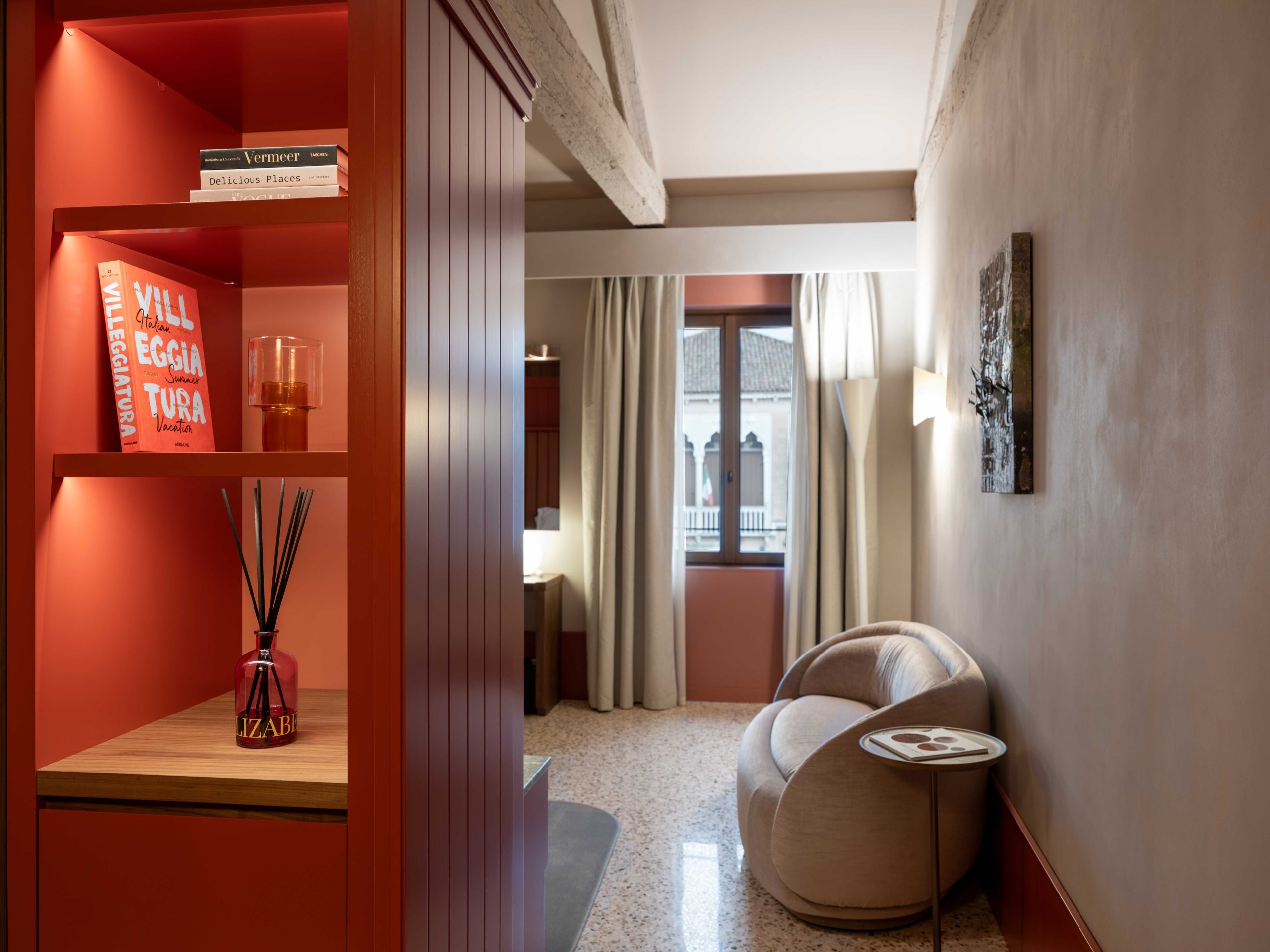
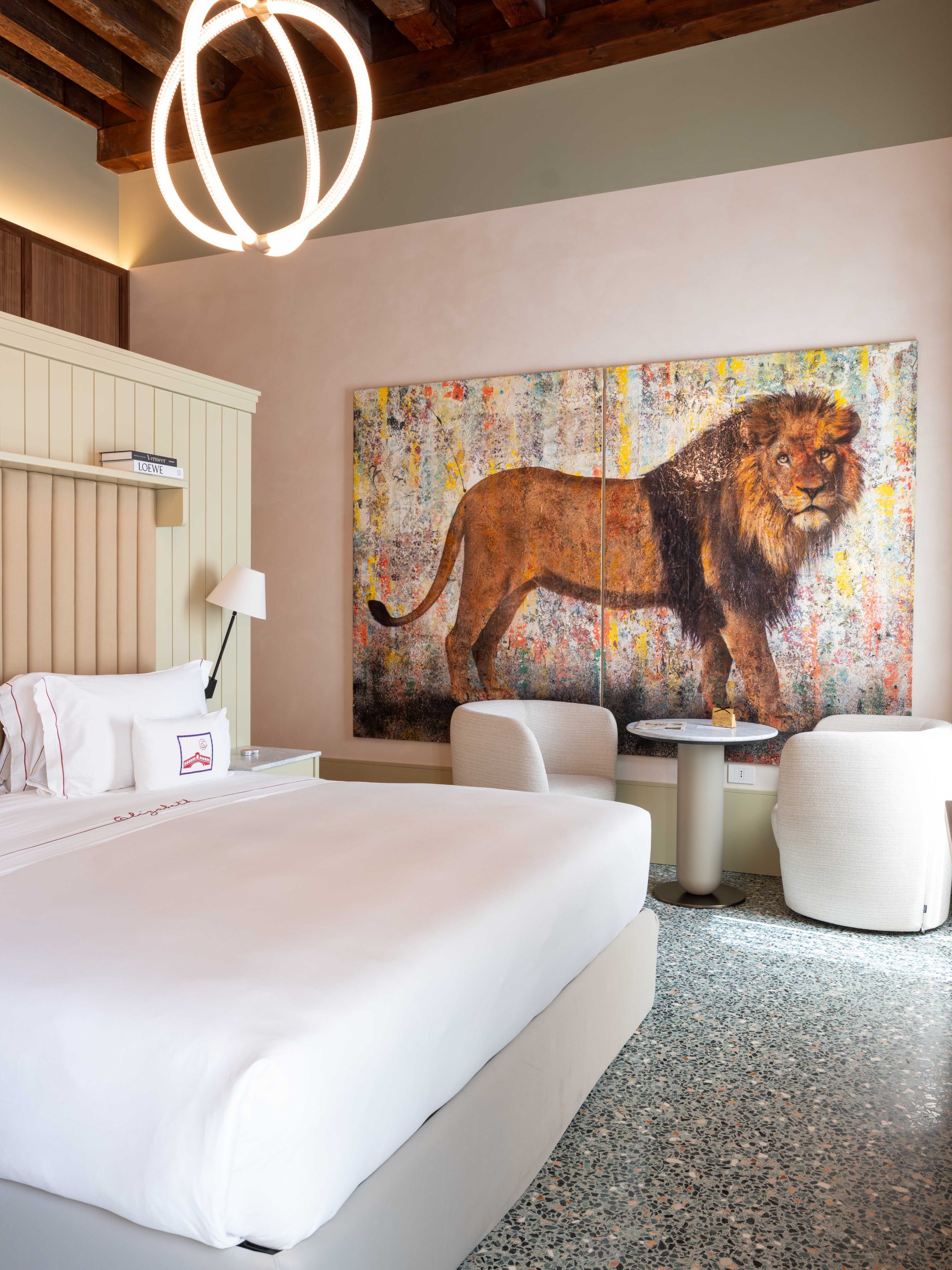
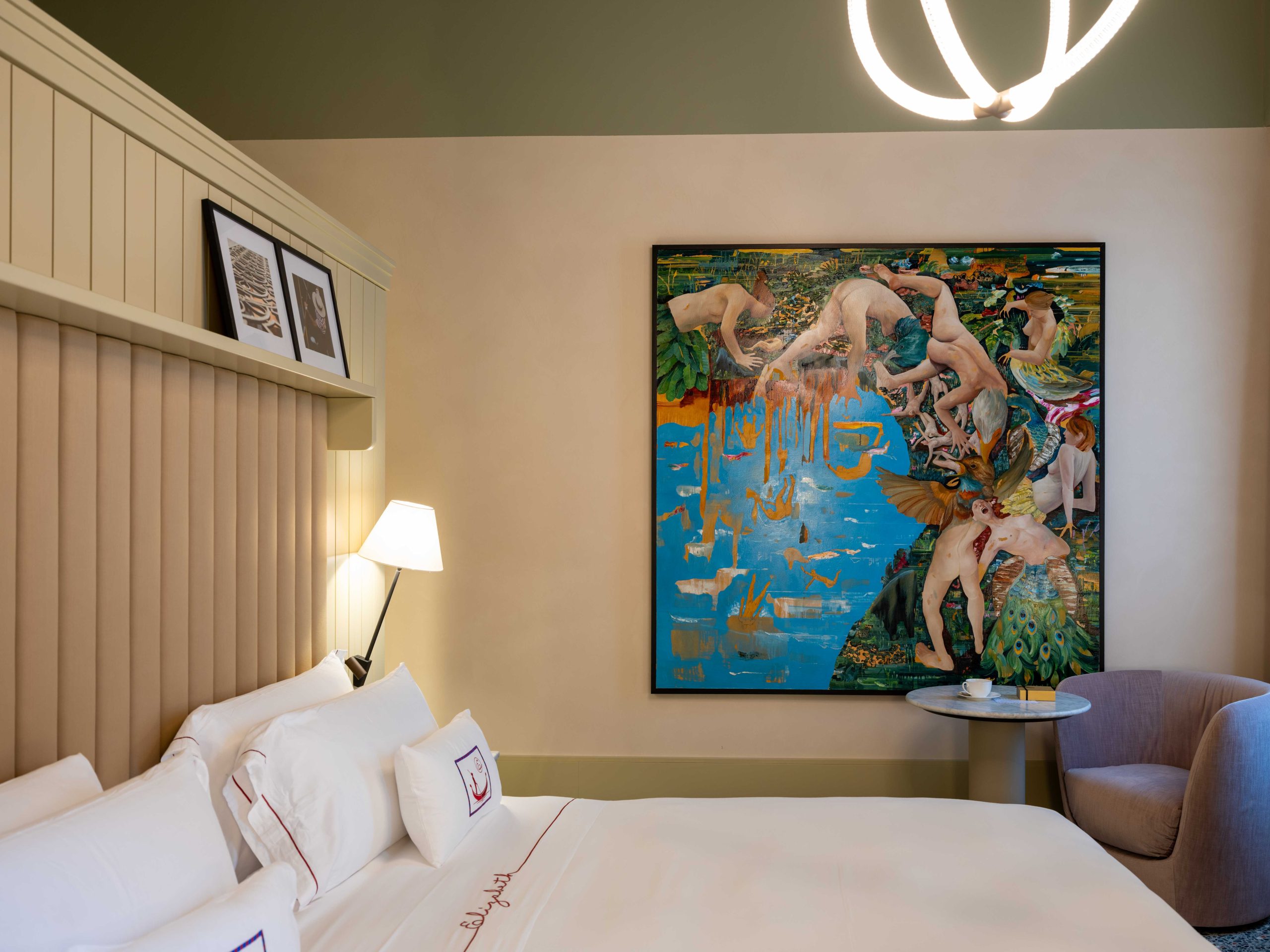
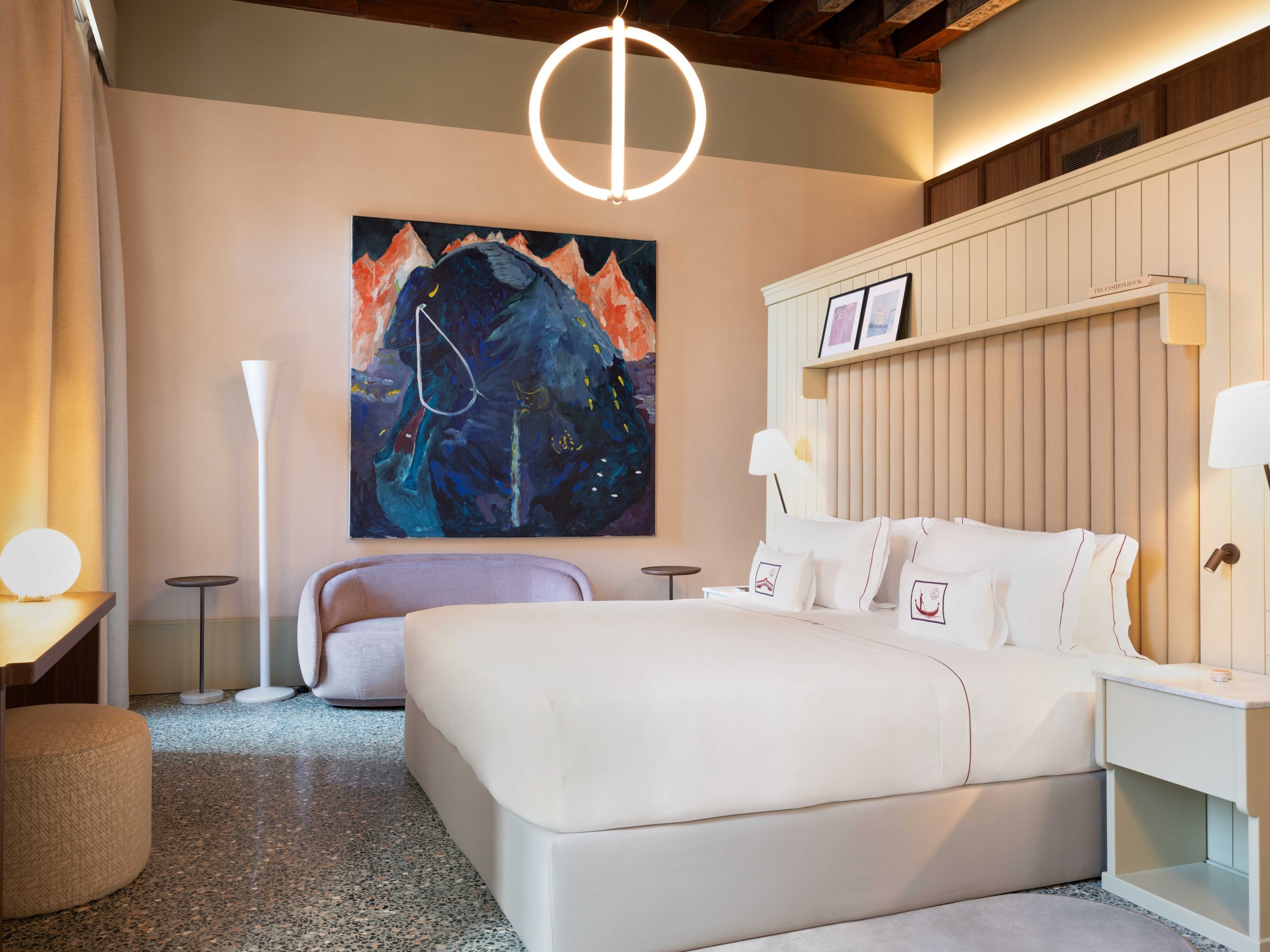
At the 14-room Elizabeth Unique Venice, a 17th-century palazzo in Cannaregio combines Venetian terrazzo and walnut with contemporary Italian art, while its restaurant returns to regional recipes and classic Italian cooking.












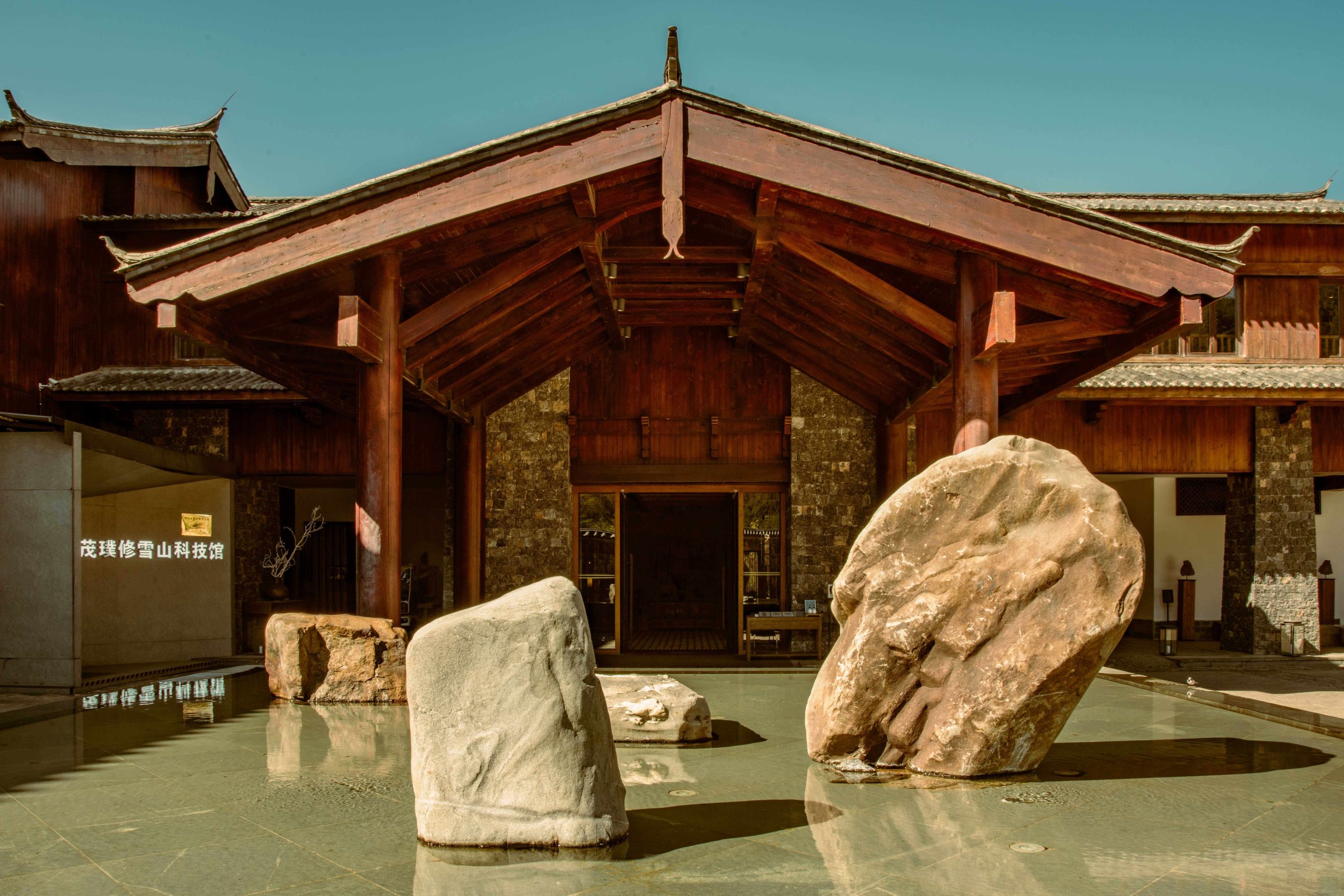
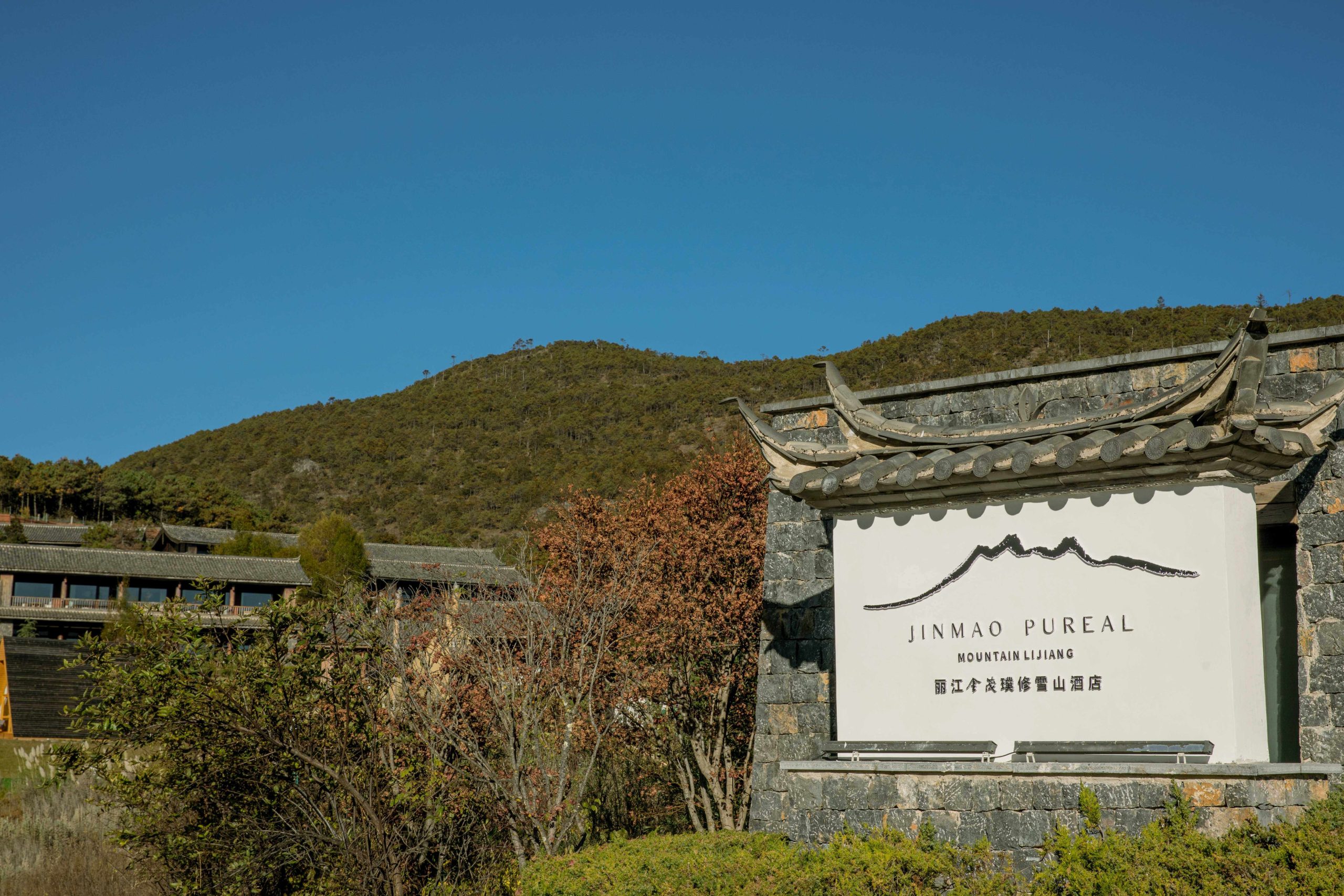
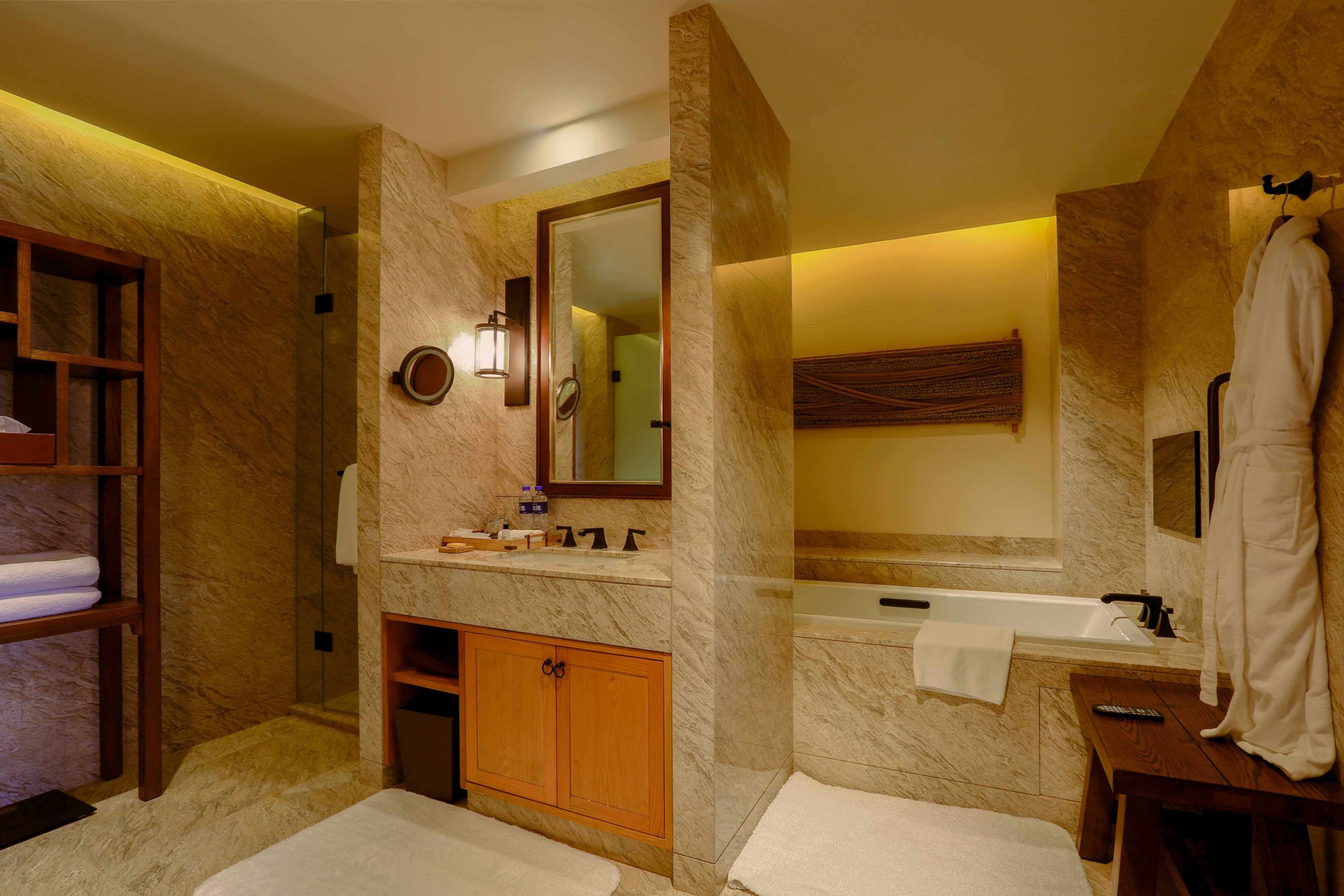
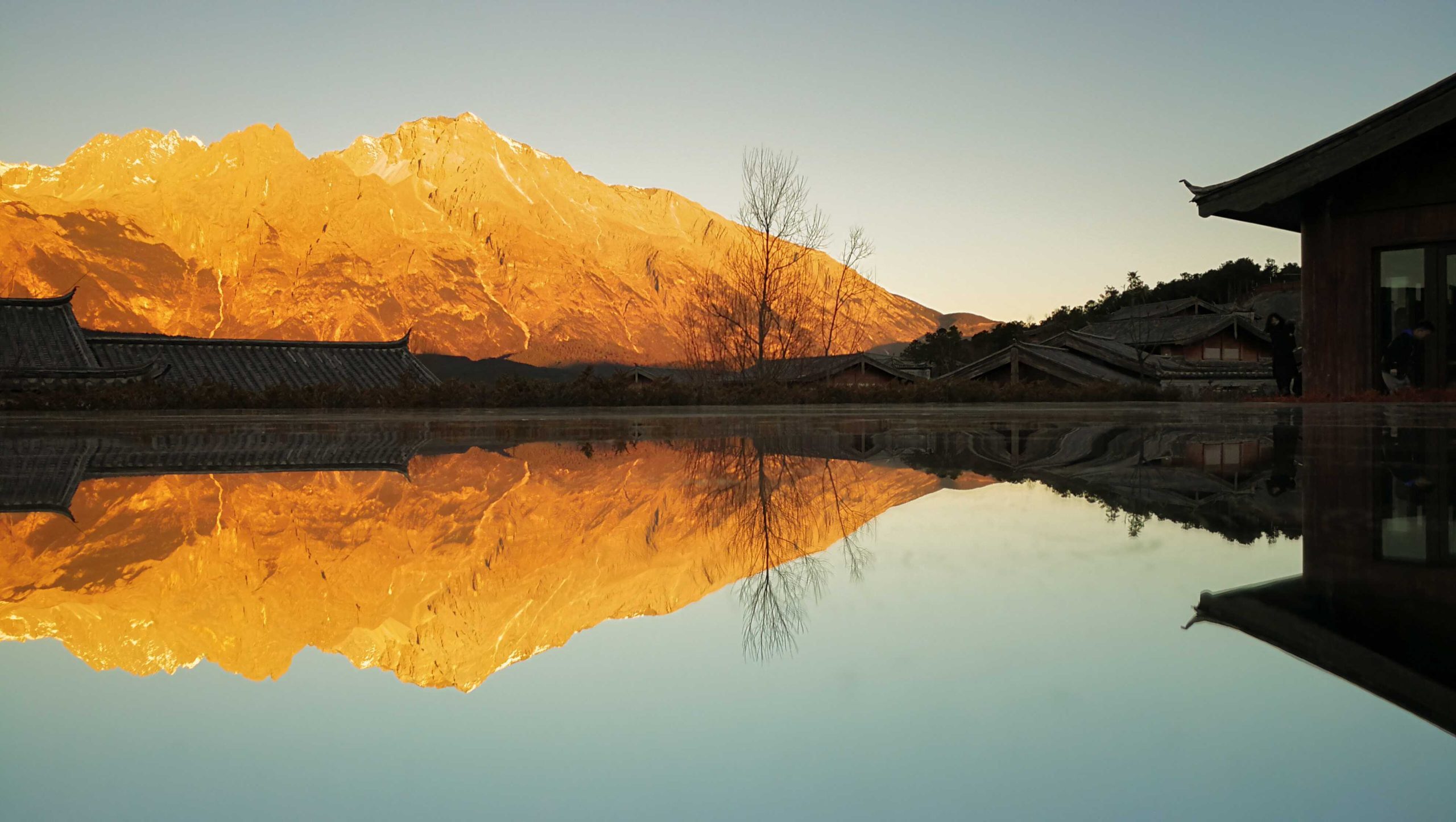
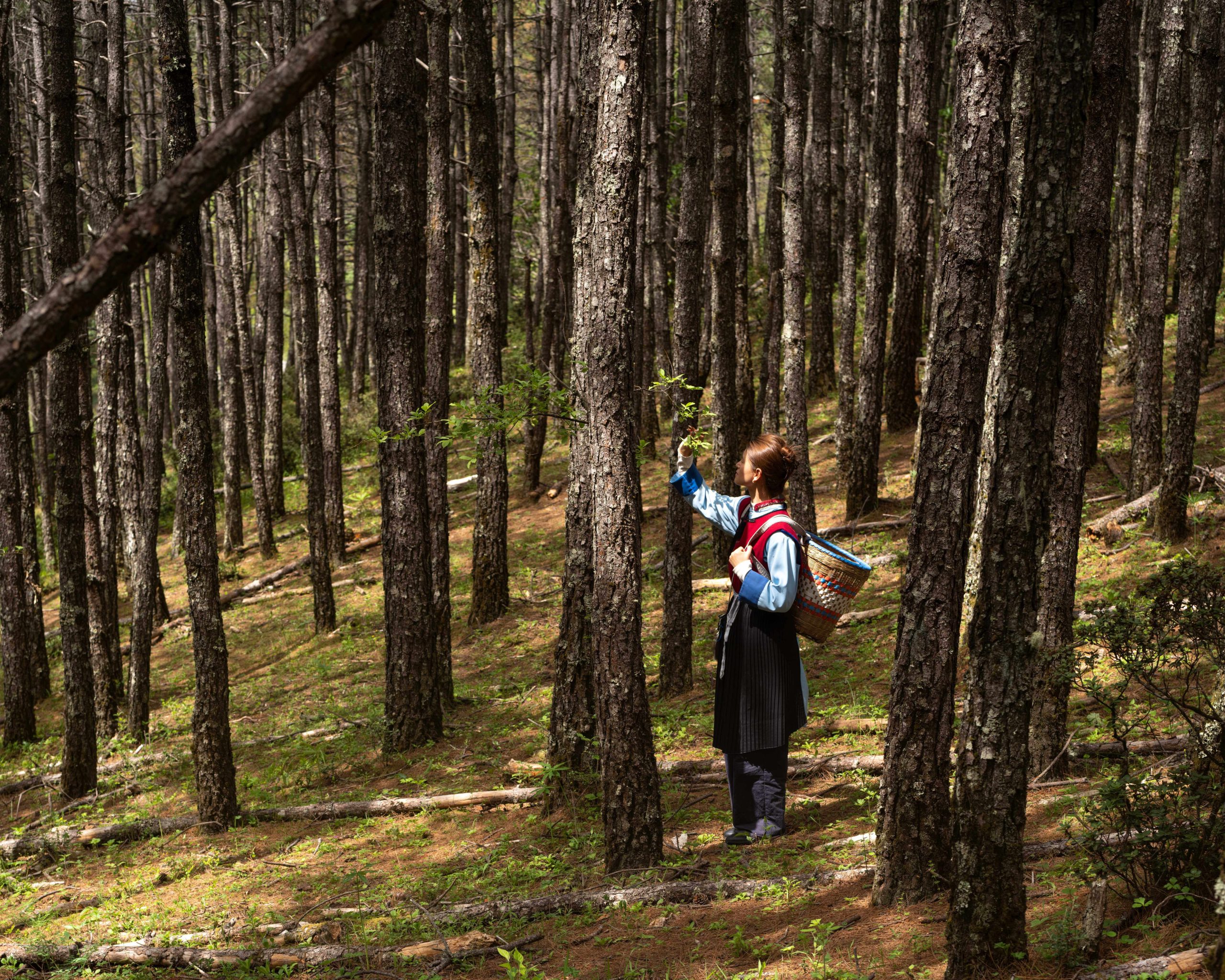
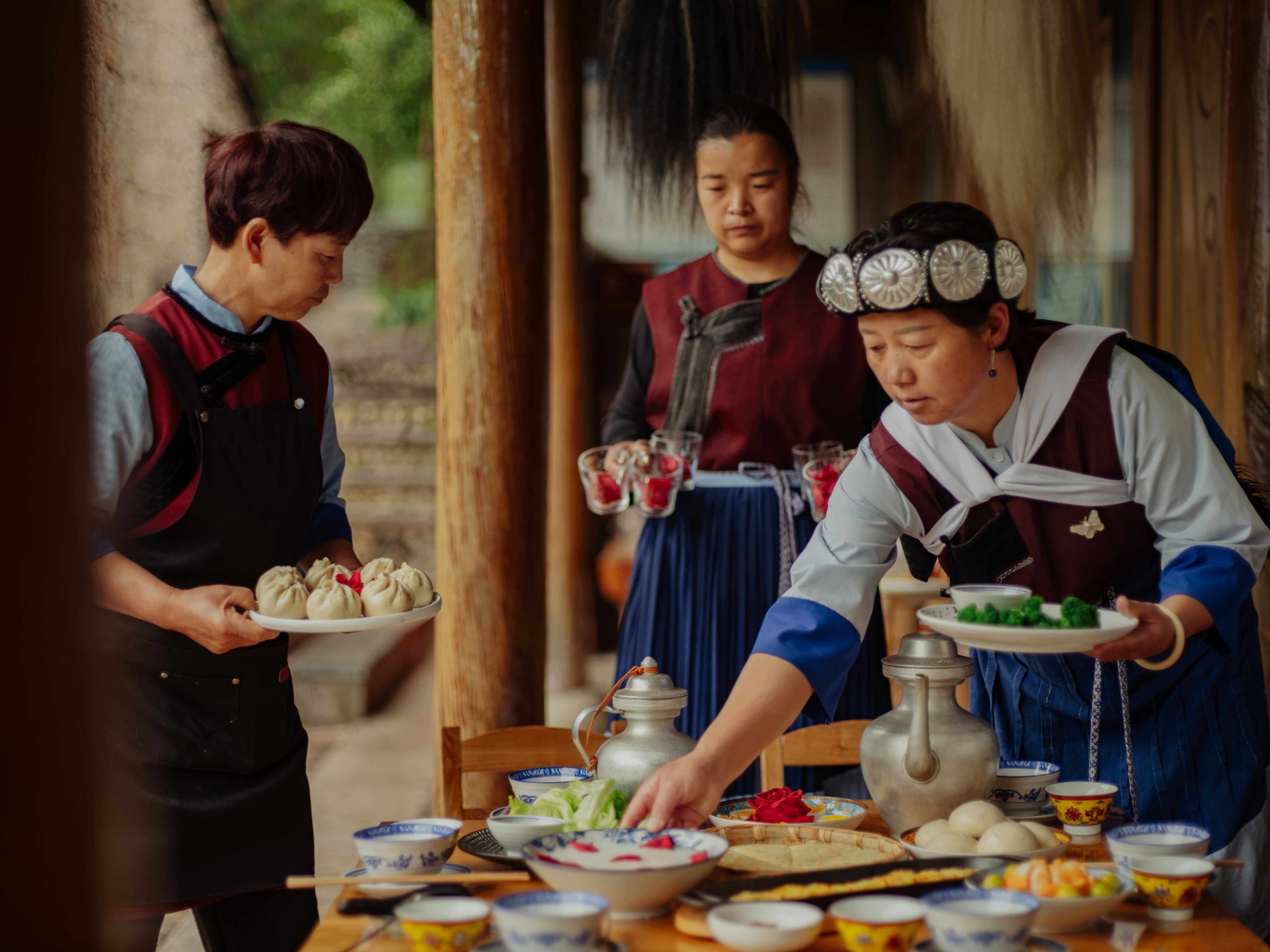
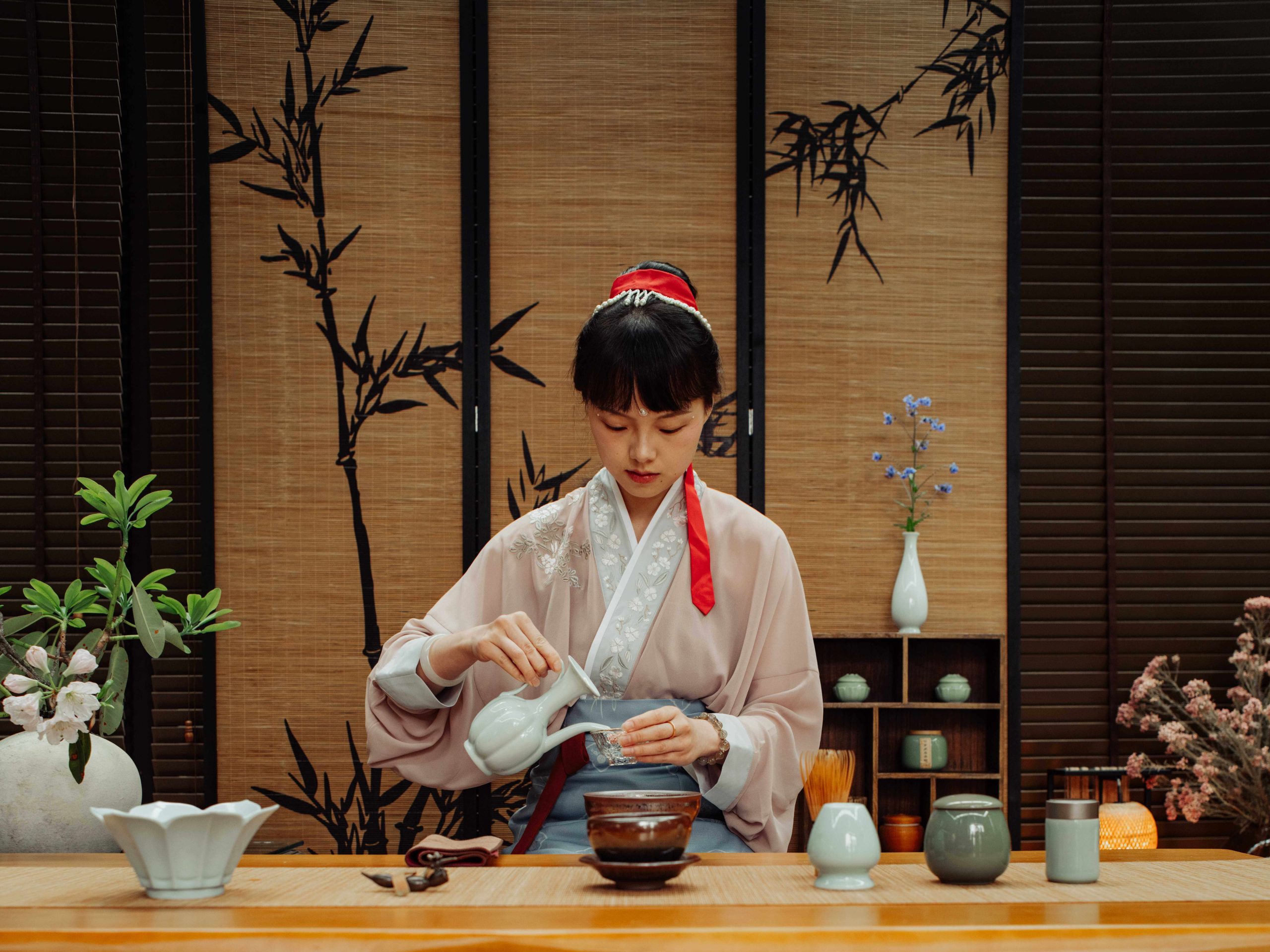
And 3,100 metres above sea level, Jinmao Pureal Mountain Lijiang sits beneath China’s Jade Dragon Snow Mountain. Guests can watch sunrise spill across snow-covered peaks from bed, stargaze from the hotel’s observatory or explore Naxi culture through activities including Dongba papermaking, tie-dyeing and traditional crafts.












These aren’t simply beautiful places to sleep.
They’re reminders that perhaps the real privilege in modern travel is having the time and space to become absorbed in somewhere different.
Because when everything else can be replicated, a true sense of place is the one luxury that cannot be copied.


