

From kayaking through the mangroves, to turtle patrolling on the uninhabited sister Island of Klein Bonaire to coral conservation and exceptional water adventures. The Darling Magazine team had the wonderful opportunity of exploring the Caribbean island of Bonaire. Located about fifty miles from the coast of Venezuela, with a population of approximately 27,000, Bonaire was previously part of the Netherlands Antilles along with Aruba and Curacao.


The island has been officially incorporated into the Netherlands since 2010 and operates as a special municipality with direct administration by the Dutch government. Despite being part of the Netherlands the official currency is the US dollar.
When the team visited Bonaire, we discovered an island whose appeal extends far beyond its beautiful landscape, protected spaces and clear turquoise-water. We found a destination where nature, culture, conservation and hospitality come together, offering travellers the opportunity to create a vacation that is as enriching as it is restorative.
A different kind of escape
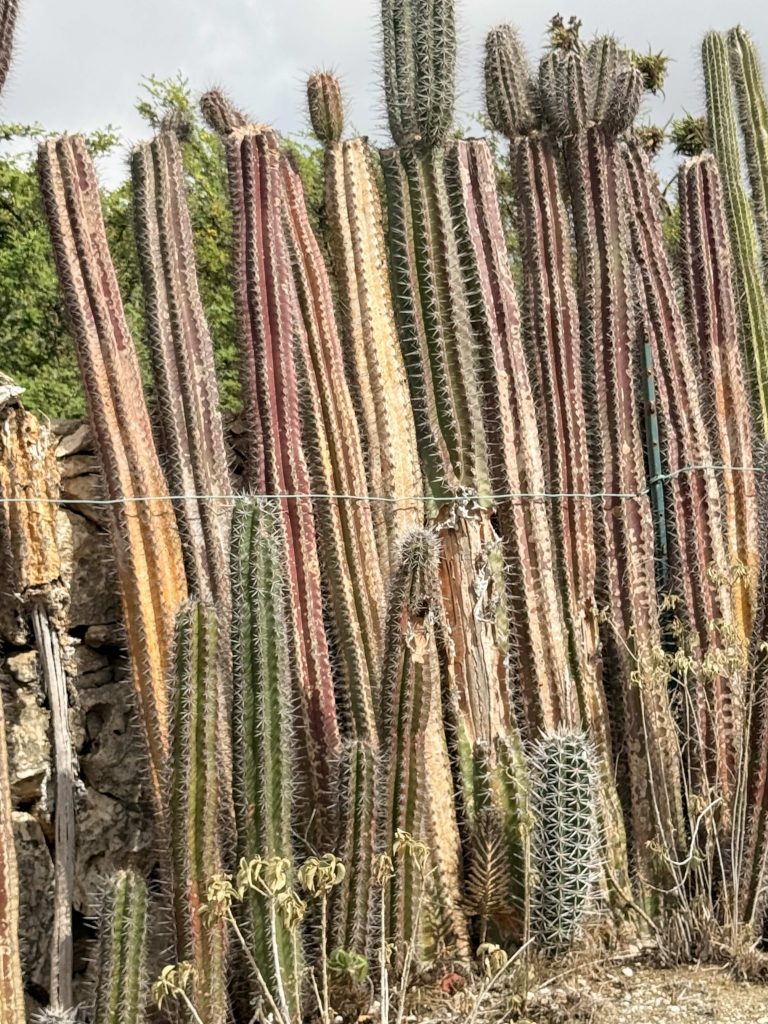
Bonaire may be best known for its exceptional diving and snorkelling opportunities; however, its character is revealed in the experiences that take you beyond the water’s edge. With its protected marine spaces, picturesque coastal scenery, historic settlements and distinctive culture, the island offers depth that rewards curious and eco travellers. Surveying the landscape one will also find a hot, semi-arid climate accommodating an abundance of low small, leafed trees and a plethora of cactus and prickly pear plants.
A fascinating Dutch-Caribbean culture and spectacular sunsets
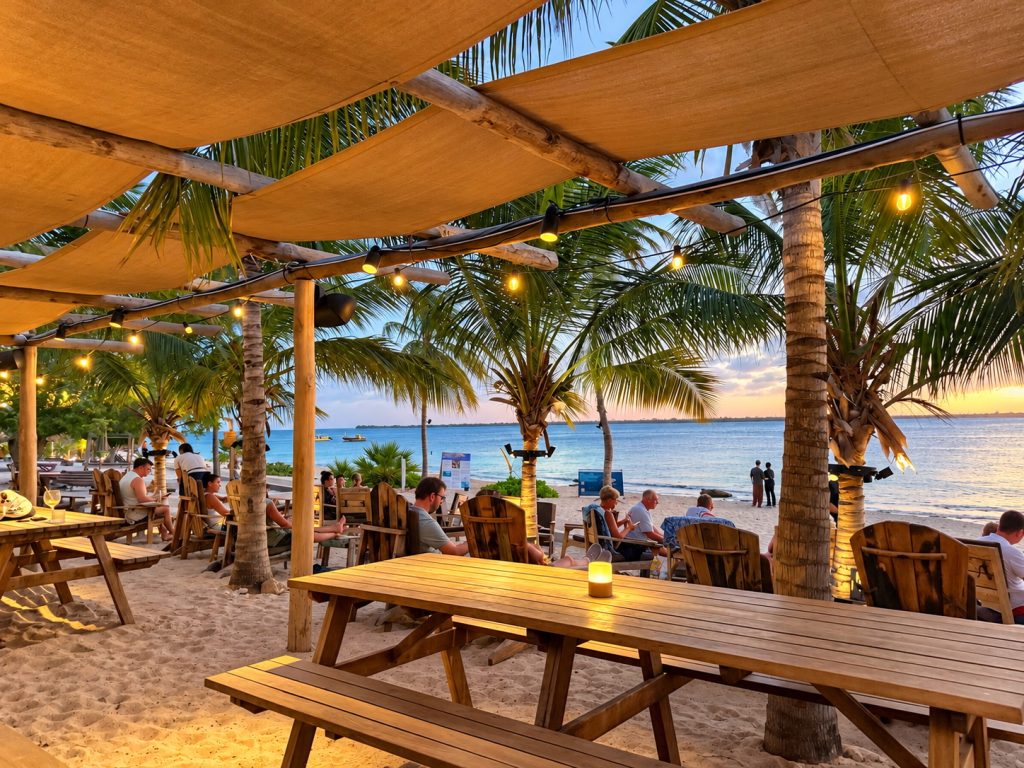
Bonaire combines Caribbean traditions with Dutch influence. In the capital Kralendijk, beautiful colourful buildings, waterfront restaurants and local cafés give visitors a taste of the island’s distinctive character. It has a wonderfully laid-back atmosphere, rather than dominated by large resorts and nightlife, the island lends itself to long lunches, sunset drinks, music and dance, water sports and simply slowing down.


Our Bonaire Journey
Boutique accommodation and ocean-view stays provide a sense of retreat after a day of exploring, while properties around Kralendijk can offer convenient access to restaurants, shops and boat excursions.
During our visit, the team stayed at a penthouse apartment at Belnem House Bonaire in Kralendijk, a boutique resort offering apartment-style accommodation. Its ocean-view setting provided a welcome place to unwind between experiences.
For Breakfast we ate at the Windsock Ocean Dining Club which opens daily at 8am and serves an amazing array of options in the most scenic of locations.
The Darling tip: When planning your own trip, consider whether you prefer a peaceful retreat, a lively waterfront location or a base that makes it easy to explore by rental car. Bonaire rewards those who venture around the island, so a little flexibility can go a long way.
Top Eco-Tourism Activities
Thousands of tourists are drawn to Bonaire for eco-tourism and water sports that are unmatched elsewhere including:
- World Class Diving & Snorkelling: Bonaire is home to over 85 protected dive sites and coral restoration projects. Famous for its exceptionally clear waters and easily coral reefs, Bonaire is the number one destination where many dive sites are close to shore, making it possible to explore the underwater world without a boat.
- Wildlife Sanctuaries: Home to the Pekelmeer Flamingo Sanctuary (one of the world’s few breeding sites for pink flamingos). The island is home to Caribbean flamingos which can often be spotted around the salt flats and wetlands.


National Parks
Bonaire features two primary world-renowned national parks managed by STINAPA (Stichting Nationale Parken Bonaire): the Washington Slagbaai National Park on land and the Bonaire National Marine Park underwater.
Washington Slagbaai National Park
Washington Slagbaai National Park is perfect for exploring by car and covering a large portion of the island, the national park offers rugged semi-desert terrain featuring an abundance of cacti, unpaved one-way roads, secluded beaches, wildlife and spectacular viewpoints. Not forgetting the 780-foot peak Mount Bandaris.
Wildlife includes Flamingos, iguanas, donkeys, sea turtles and rare birds and the best activities for tourists include hiking trails and snorkelling at spots like Wayaka Beach.
The team enjoyed an adventurous self tour of the Washington Slagbaai National Park, including beach-hopping and visiting historic spots like Boka Kokolishi, Wayaka 2 and Slagbaai.
The Darling tip: When planning your trip, remember to pack plenty of water and snacks or food. Also a photo identity and nature tag from STINAPA are a must. Entrance to the park is between 8:00am to 12:30pm, with a choice of a short or long route.
Bonaire National Marine Park
The Marine Park surrounds the entire coast of Bonaire and the uninhabited Island of Klein Bonaire, stretching from the high-water mark down to a depth of 60 metres. Its ecosystem protects 2,700 hectares of vibrant coral reefs, seagrass beds and mangrove forests and houses over 350 species of fish, 60+ coral species and nesting sea turtles.
Spend the morning in Klein Bonaire for a special Turtle Patrolling with Sea Turtle Conservation Bonaire
A small island surrounded by beautiful turquoise water and pristine beaches. It is particularly special for turtle nesting, snorkelling and diving.


Spend a day in Lac Bay Kayaking
A protected wetland famous for mangrove kayaking and world class windsurfing. Visitors can join a kayaking excursion through winding waterways framed by mangrove roots. The experience brings you closer to remarkable ecosystem that provides shelter and nursery grounds for marine life, while helping to protect the coastline.
The Mangrove Information Center offers guided experiences, including solar-powered boat tours, which is an excellent option for those who want to learn about the island’s ecology without needing previous kayaking experience.
The Darling tip: Book a guided mangrove excursion and allow time afterwards to enjoy the surrounding coastline. Bring water, sun protection a reusable water bottle, and follow your guide’s advice to protect the fragile habitat.

Visit the Mangazina di Rei for a guided tour
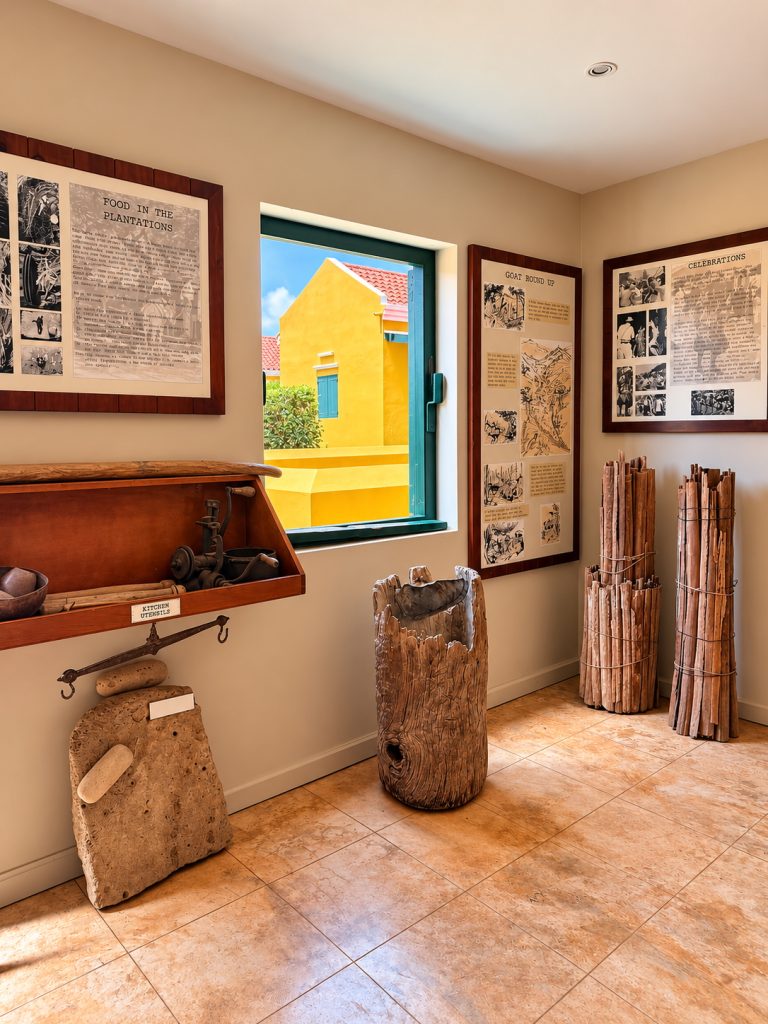
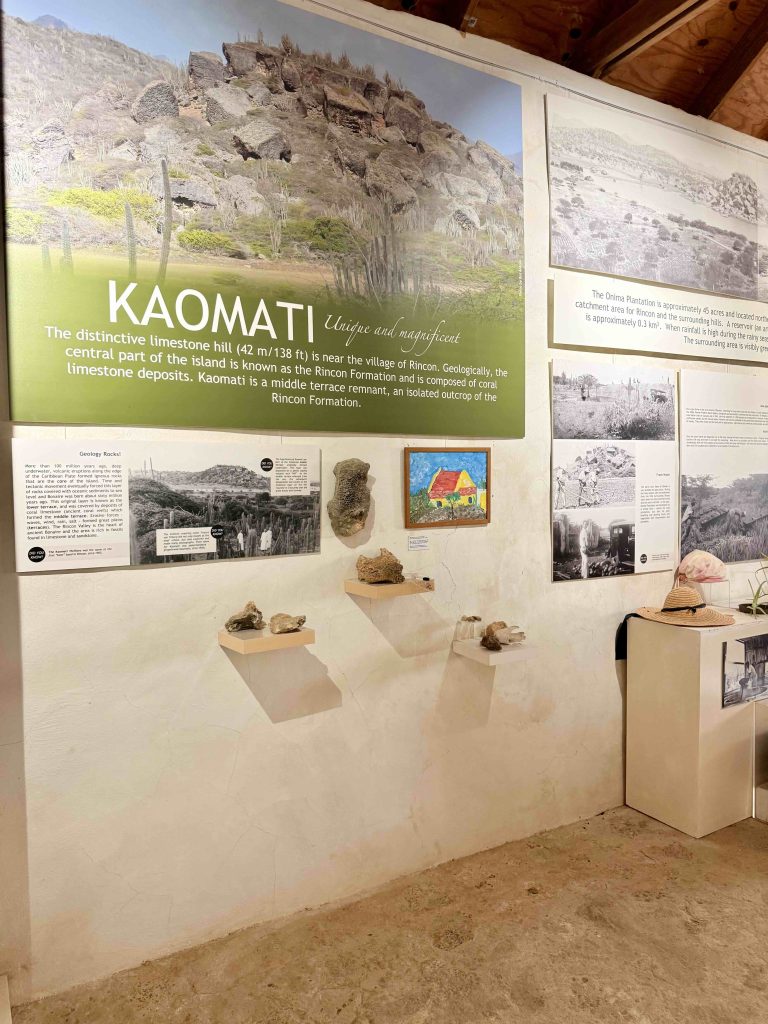
Explore an open-air cultural museum near the Islands oldest town of Rincon which offers an insight into the local history and traditions. Learn about the cactus fencing technique, the local herbs and spices as well as the rich musical history of the island. Exploring the village itself is equally rewarding; giving visitors a chance to appreciate the character of one of Bonaire’s most significant historic communities.
The extraordinary salt flats
Bonaire’s southern landscape is shaped by its historic salt industry. The brilliant white salt pans contrast dramatically with the Caribbean blue sea, creating some of the island’s most distinctive scenery.
Harbour Village Spa
End your trip by visiting the Harbour Village Spa. Defined as a new rhythm of wellness, the spa offers signature therapies designed to bring the body into harmony, ideal after a morning class or a day in the sea. You are invited to move, breathe, and reconnect plus private sessions and seasonal retreats in one of the Caribbean’s most serene settings. The spa is nestled in the heart of Harbour Village Beach Club, a luxury boutique resort and Bonaire’s only private white-sand beach retreat.


Darling tips:
- Entry to Bonaire requires tourists to pay a visitor entry tax of $75 (Approx £56) per person from ages 13 and above which is valid for multiple entries within 30 days.
- Pay the entry tax on the right site; ensure you only pay through the official Bonaire Tourism Tax Portal as unofficial 3rd party sites look identical but charge large processing fees that increase the price to over $200.
- Bonaire’s protected natural areas depend on responsible visitors. Keep in mind to check the STINAPA nature-fee requirements before travelling.
- Use reef-conscious sun protection, never touch or remove coral, and follow local guidance around wildlife and protected habitats.
- What to pack:
- Passport
- Bathing suits
- Sandals and sneakers
- Sunglasses, hat, reef safe SPF
- Cool and loose clothing
- Credit card to put on file for incidentals
- Bug spray
- Snorkel gear and water shoes
- An international adapter
- Waterproof phone pouch
Why Bonaire belongs on your travel list
What makes Bonaire special is not one single attraction. It is the combination of experiences: the intimacy of paddling through mangroves, the beauty of its underwater world, the stories held within its historic villages, the creativity of its very international food scene and the feeling of being connected to nature.
It is an island for travellers who want more from a Caribbean holiday than a sun lounger, while still offering the warmth, sea views and relaxation that make an escape feel restorative.
For couples, it offers adventure and unhurried time together. For solo travellers, it provides opportunities to explore, learn and reconnect. For families and nature lovers, it is a chance to encounter extraordinary environments and understand the importance of protecting them.
And for anyone who enjoys discovering a destination through its people, flavours and stories, Bonaire offers plenty of reasons to look beyond the obvious.
Our time on the island reminded us that the most meaningful journeys are often those that invite us to participate: to paddle, taste, listen, learn and leave a place with a greater appreciation of what makes it unique.
Plan your Bonaire escape
For official destination inspiration, activities and travel information, visit Bonaire Island and the Tourism Corporation Bonaire.
For nature parks, marine conservation and visitor-fee information, visit STINAPA Bonaire.
Darling Magazine’s travel feature is based on the team’s Bonaire itinerary and experiences, with additional destination information to help readers plan their own visit. More features to follow on the restaurant scene and the woman who contribute to the economy of Bonaire.
Bon biní to Bonaire! Welcome to Bonaire!


