Toenail fungus is a common nail condition that can cause discoloration, thickening, brittleness, and changes in nail shape. Women can develop fungal nail infections through everyday activities, including wearing closed shoes for long periods, visiting nail salons, or walking barefoot in shared spaces. Understanding the early signs, causes, and available care options can help protect nail health and prevent the infection from becoming more difficult to manage.
1. Toenail Fungus Can Develop Without Obvious Warning Signs
Toenail fungus, medically known as onychomycosis, develops when fungi infect the nail or the tissue underneath it. The infection often begins gradually, so the first changes may be easy to overlook.
A small white or yellow patch near the edge of the big toenail may be the earliest noticeable sign. As the infection develops, the nail can become thicker, brittle, discolored, or difficult to trim. In some cases, debris collects underneath the nail, causing it to lift away from the nail bed.
Women who regularly wear tight footwear, spend long hours in shoes, or experience sweaty feet may notice these changes over time. Paying attention to small differences in nail appearance can help identify a possible problem before it progresses.
2. Nail Polish and Salon Visits Require Proper Hygiene
Regular pedicures and nail polish do not automatically cause toenail fungus. However, poorly sanitized tools, contaminated foot baths, and shared nail-care equipment can spread fungi between clients.
Another concern is applying nail polish over a nail that already shows signs of infection. Polish can make discoloration harder to notice, potentially delaying attention to an existing problem.
Women who visit nail salons should check that technicians clean and disinfect their tools between appointments. Bringing personal nail clippers and avoiding shared grooming equipment can also reduce unnecessary exposure.
It is equally important to give toenails occasional breaks from polish so that changes in their appearance are easier to notice.
3. Recognising the Early Appearance of Nail Fungus Matters
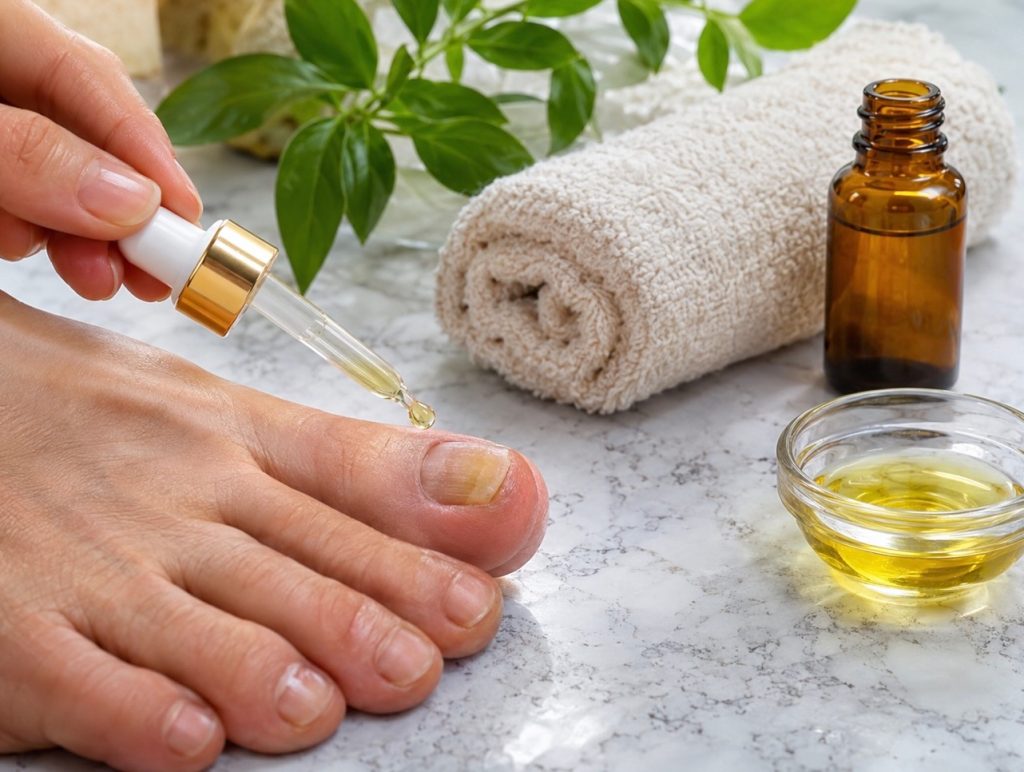
Toenail fungus does not always look the same. Depending on the infection, a nail may develop yellow, white, brown, or other unusual discoloration. Some infected nails become thick and rough, while others develop white patches or begin to crumble.
If you are unsure about the appearance of an affected nail, learning what does nail fungus look like can help you recognize common visual signs.
However, discoloration does not always mean a fungal infection. Nail trauma, psoriasis, and other nail conditions can produce similar changes. A dermatologist can examine the nail and, when necessary, collect a sample to confirm the diagnosis.
Early assessment is particularly useful when the nail becomes painful, separates from the nail bed, or changes shape.
4. Different Treatment Options Have Different Uses
Treating toenail fungus requires patience because toenails grow slowly. Even after an infection has been successfully treated, the damaged portion must gradually grow out before the nail looks healthy again. A big toenail may take a year or longer to grow out completely.
Treatment depends on the severity of the infection, the number of affected nails, and a person’s general health. Dermatologists may recommend prescription topical antifungal medication for certain mild infections or oral antifungal medication when a more extensive infection requires treatment.
Some women also explore a topical oil for toenail fungus as part of their nail-care routine. However, it is important to understand that natural or essential-oil-based preparations are not automatically proven treatments for fungal nail infections. Evidence for home remedies remains limited, and they should not replace appropriate medical care.
The American Academy of Dermatology explains that treatment should be selected according to the infection and the individual’s health needs. Its nail fungus diagnosis and treatment guidance provides further information about available medical options.
5. Everyday Foot Care Can Help Reduce the Risk of Infection
A consistent foot-care routine can help reduce exposure to fungi and limit the conditions in which they grow. Fungi thrive in warm, damp environments, making sweaty footwear and shared shower areas potential sources of exposure.
A few practical habits can support healthier toenails:
- Wash your feet regularly and dry them carefully, especially between the toes.
- Change socks daily and whenever they become damp.
- Choose breathable footwear that allows moisture to escape.
- Wear shower sandals in public swimming pools, locker rooms, and shared showers.
- Keep toenails trimmed straight across without cutting them too short.
- Clean and disinfect nail clippers after use.
- Avoid sharing shoes, towels, and nail-care equipment.
Women who exercise regularly or wear closed shoes throughout the working day may benefit from alternating footwear to allow shoes to dry completely between uses.
These habits do not guarantee protection, but they can reduce some common opportunities for fungal growth and transmission.

6. Certain Health Conditions Make Nail Monitoring More Important
Toenail health can also be influenced by general health, circulation, and the condition of the surrounding skin. Diabetes, reduced circulation, previous nail injuries, and weakened immune function can increase the risk of complications from foot infections.
Women with diabetes should be particularly careful about changes in their toenails and surrounding skin. Even a small injury or untreated infection may require medical attention.
Seek professional advice if a nail becomes painful, swollen, increasingly thick, or starts separating from the nail bed. Redness, warmth, discharge, or spreading inflammation around the nail should also be assessed promptly.
Pregnant and breastfeeding women should consult a healthcare professional before using antifungal medicines or concentrated essential oils. Some treatments may not be suitable during these periods.
Frequently Asked Questions
Can toenail fungus develop from wearing nail polish?
Nail polish itself does not cause fungal infections. However, contaminated salon equipment and poor nail hygiene can increase exposure to fungi. Polish can also make early nail changes harder to notice.
How long does toenail fungus take to clear?
Treatment may take several months, depending on the infection and the method used. A big toenail can take a year or longer to grow out completely, even after the infection has cleared.
Can topical oils treat toenail fungus?
Some topical oils are marketed for nail care, but evidence supporting their ability to eliminate fungal nail infections is limited. Medically established antifungal treatments should be discussed with a healthcare professional.
How can women prevent recurring toenail fungus?
Keep feet dry, wear clean socks, use breathable footwear, disinfect nail tools, and avoid walking barefoot in shared wet areas. Treating athlete’s foot promptly can also help prevent fungal infections from spreading to the toenails.
Read more tips in our health and wellness.