
The beauty industry moves quickly. Clients are better informed than ever, and they increasingly look for practitioners who offer more than the basics. For therapists and beauticians who want to grow, advanced training is one of the most reliable ways to do it.
Not every course is worth your time or money, though. This guide covers how to choose training that suits your career, what to look for in a provider, and where plasma pen training and cold jet plasma treatment fit in.
Why consider advanced beauty training?
Aesthetics keeps evolving, with new technologies, techniques and client expectations arriving every year. Practitioners who build their skills can grow with it rather than chase it.
The benefits of learning specialist treatments are practical:
- A broader service menu. More treatments give existing clients more reasons to book, and more ways to spend with you.
- New client groups. Specialist skills can attract people who wouldn’t have considered a general beauty salon.
- Confidence. Formal qualifications back up your judgement, both in your own mind and in front of clients.
- Differentiation. In a crowded market, recognised expertise gives you something competitors may not offer.
The best training builds on what you already know. A course that fits your experience and long-term ambitions will always be worth more than one chosen because it’s fashionable.
Identify your career goals before choosing a course
Before comparing providers, work out what you want from further training. Are you adding a new treatment, specialising in an area of skincare, or developing a service you already offer?
Then check there is demand. Look at what your existing clients ask about, what local competitors offer, and which concerns your target clientele want solved. A treatment you love but nobody books is a costly hobby.
Consider the practicalities too:
- Equipment: what you’ll need to buy and maintain.
- Investment: the total cost beyond the course fee.
- Insurance: whether your current cover extends to the new treatment.
- Ongoing development: refresher training and keeping up with industry standards.
Explore the different types of advanced beauty training
Advanced training covers a wide range of specialisms. Common routes include:
- Skin rejuvenation and resurfacing, focused on improving texture and tone.
- Skin tightening and lifting treatments, aimed at the visible signs of ageing.
- Plasma-based skin treatments, including plasma fibroblasting and cold plasma technology.
- Advanced skincare and skin analysis, building the diagnostic skills that underpin every treatment.
- Specialist treatments for particular concerns such as pigmentation, scarring or congestion.
Plasma pen training is one route for professionals who want to move into plasma fibroblasting and other advanced skin treatments. Whichever direction appeals, make sure you understand how the underlying technologies differ. Choose training that matches your qualifications and professional interests, not just the latest trend.
Understand what cold jet plasma treatment involves
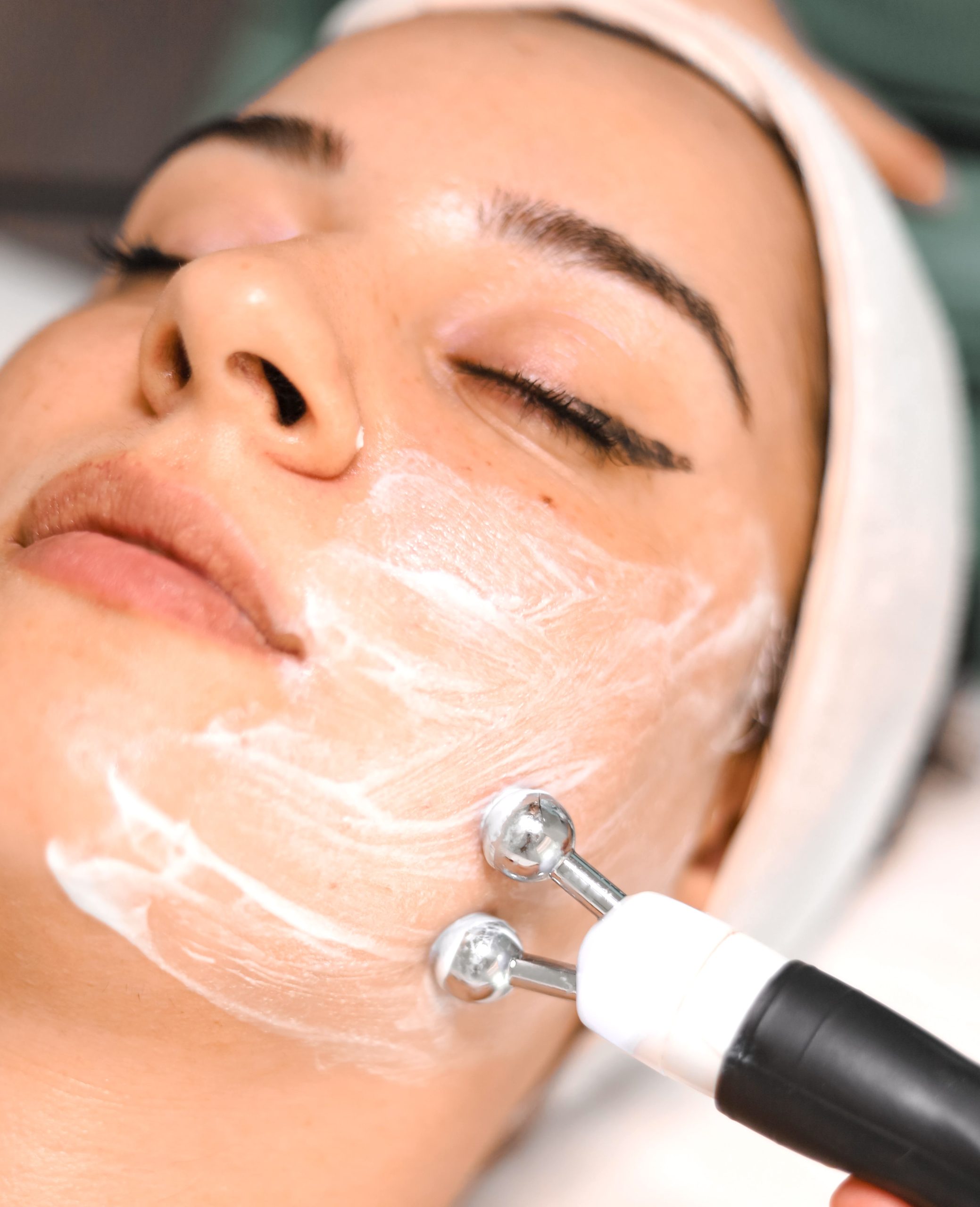
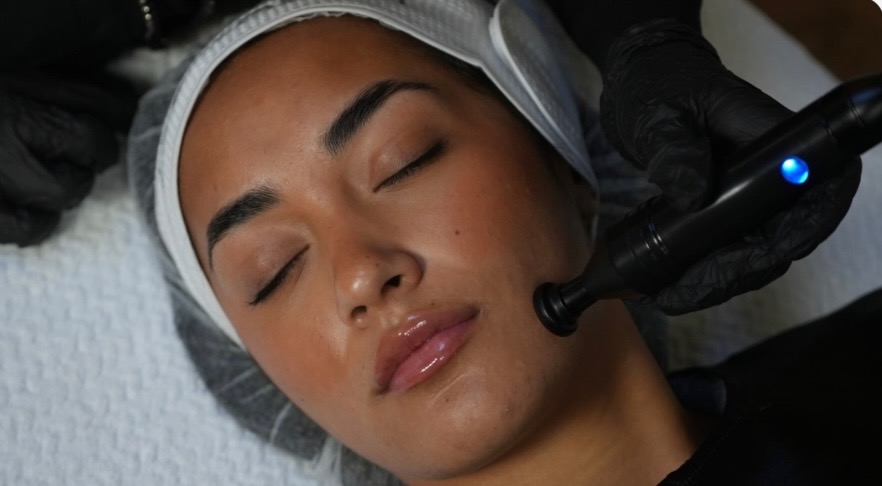
Cold jet plasma treatment uses cold plasma technology in professional skincare. Its potential applications include supporting overall skin health, helping with acne-prone skin and improving the appearance of certain skin concerns.
It is important not to confuse it with plasma fibroblasting. They are distinct technologies with different applications and treatment protocols, and training in one doesn’t automatically cover the other.
Take time to understand the science behind any treatment before you commit to a course. Practitioners who can explain how a treatment works, and what it can and can’t do, are the ones clients trust.
What to look for in a quality plasma pen training course
Providers vary widely, so judge each one against the same checklist:
- Recognised qualifications. Check the provider’s accreditation, certification and entry requirements.
- Comprehensive content. Look for skin anatomy, physiology, treatment science and practical technique, not just a demonstration of the device.
- Practical experience. Find out whether you’ll get supervised hands-on training, live demonstrations and case studies.
- Client safety. Training should cover contraindications, consultation procedures, risk management, and pre- and post-treatment care.
- Assessment. Ask how both knowledge and practical competency are tested before certification is awarded.
- Ongoing support. Consider whether you’ll have access to experienced trainers, learning resources and guidance after the course ends.
The Louise Walsh Academy, part of PlasmaPen, is one example of a provider offering structured Foundation and Advanced training pathways, with a clear progression from core principles to more specialist work.
Foundation training vs advanced training: which is right for you?
The right level depends on where you are in your career.
Foundation training introduces practitioners to plasma fibroblasting. It covers the underlying science, skin anatomy, treatment techniques and essential protocols. It suits anyone new to plasma treatments, or those who want a structured grounding before offering them.
Advanced training builds on that knowledge, introducing more specialist procedures, techniques and treatment considerations. It is designed for practitioners who already have a solid base.
PlasmaPen’s Foundation and Advanced programmes follow this pathway: first the essentials, then deeper expertise. Always check entry requirements before enrolling, as advanced courses may require previous foundation training or relevant experience.
Consider the investment and long-term value of training
The true cost of training goes beyond the course fee. Budget for equipment, insurance and continuing education as well.
The cheapest course is rarely the best value. A low price can mean thin content, limited practical time or little support afterwards, and any of these can cost you more in confidence and client results down the line. Compare what’s actually included: the quality of teaching, the resources and the support available once you’re practising.
Think about the return too. Specialist treatments can contribute to the long-term growth of a beauty business, but only if clients want them at a price that works. Research local demand and realistic treatment pricing before you invest.
Take the next step in your beauty career
Choosing the right advanced training comes down to four things: your experience, your interests, your qualifications and your career goals. Whatever route you take, prioritise reputable education, hands-on practice and client safety.
If plasma treatments appeal, explore the training pathways available and compare them against the checklist above. PlasmaPen offers a useful starting point for professionals who want to build their knowledge and skills in plasma-based treatments.
You might enjoy reading more tips in wellness


