For a few years, the office away day looked like it might quietly disappear. Hybrid working had already thinned out the Tuesday-to-Thursday office week, and a lot of businesses assumed the in-person offsite would fade along with it. That hasn’t happened. If anything, the opposite is true: as fewer teams share a physical office day to day, the handful of times they do all turn up somewhere together have started to matter more, not less.
According to the Office for National Statistics, 28% of working adults in Great Britain reported hybrid working between January and March 2025, up from the low teens just a few years earlier, and that shift has quietly reshaped what businesses expect from a meeting room, a conference day or a private celebration venue.
The practical effect is that a day delegate rate booking now has to do more work than it used to. It isn’t just a room with a screen and a jug of water, it’s often the only time that quarter a scattered team is in the same postcode, which changes what people want from the venue, the catering and the setting.
This piece looks at what’s actually changed in UK corporate venue hire this year, what to check before booking a day delegate rate anywhere, and why some of that demand is moving out of central London rather than further into it.
Why the Day Delegate Rate Has Become a More Serious Decision
A day delegate rate, usually shortened to DDR, bundles the room, refreshments and standard equipment into one per-person price for the day. According to Jigsaw Conferences’ 2026 UK Venue Pricing Benchmark, London day rates for 2026 range from roughly £45 to £150 depending on the venue and inclusions, a wide enough spread that the headline city average tells a business very little about what it will actually pay. The benchmark also notes that booking outside the capital’s central zones can bring meaningful savings, with venues further out typically pricing 20 to 35% lower than the most central options.
That price gap matters more now than it did a few years ago, because the number of in-person days a team gets together has shrunk, while the expectations for each one have gone up. A single away day now often has to cover a strategy session, team building and sometimes a celebratory dinner in the evening, rather than three separate bookings spread across the year.
A venue priced purely on room hire doesn’t always reflect that shift, which is part of why demand for day rates that bundle catering, breakout space and a private evening element has grown faster than demand for a bare meeting room alone.
What’s Actually Driving the Shift Out of Central London
A few things are pushing businesses to look beyond the obvious city centre venues for this kind of booking.
Cost is the most visible factor, given the 20 to 35% saving on offer once a business moves away from the most central postcodes, but it isn’t the only one. Seasonal demand plays a role too: autumn and the first quarter of the year are consistently the busiest periods for UK conference and meeting bookings, which means the most convenient central venues get booked out first, pushing later-planning businesses toward wherever still has genuine availability.
There’s also a simple logistical point that gets underestimated. A team that only gathers in person a handful of times a year doesn’t necessarily want that day to feel like a slightly nicer version of the office they already work in some of the time. Grounds, parking that doesn’t need booking separately, and a setting that actually looks different from a glass-fronted city building all do real work in making a rare in-person day feel worth the commute.
What to Check Before Booking a Day Delegate Rate
A handful of questions separate a straightforward booking from a frustrating one.
First, check exactly what the per-head price includes. Catering, AV equipment, breakout rooms and Wi-Fi are sometimes bundled and sometimes charged as extras, and the gap between a quoted rate and the final invoice usually comes down to one of these.
Second, ask whether the room layout is flexible. A fixed boardroom setup works for a small leadership meeting, but a larger away day with breakout sessions, a presentation and an evening social element usually needs a space that can be reconfigured through the day rather than one fixed arrangement.
Third, check parking and access for the whole group, not just a handful of attendees. A venue with free, on-site parking removes a surprising amount of friction from a day that already has enough moving parts, particularly for a team travelling in from several different directions.
Fourth, ask how late in the year the venue is still genuinely available rather than just technically bookable. Given how concentrated demand is in September through November, a venue quoting a date in that window is worth double-checking for realistic availability rather than assuming the calendar is as open as it looks.
Where to Look Beyond the Obvious Venues
Businesses that have left a booking later in the season, or that simply want more for their day delegate rate than a standard city conference room, are increasingly looking toward venues with more flexible capacity and grounds that can run a meeting, a breakout session and an evening element without three separate bookings. Function and corporate venue hire in Bromley and similar options in the wider South East have tended to hold onto later availability and a lower day rate for exactly this reason, since demand concentrates far more heavily on central London addresses first.
The same flexibility matters for a business that wants to combine a corporate day with a private celebration, a milestone work anniversary or a retirement send-off, for instance, rather than treating the two as separate events entirely. A venue built to handle both a daytime business booking and an evening function under one roof tends to offer more room for that kind of combined day than one set up purely for conferences or purely for private parties.
A Venue Built Around Both Uses
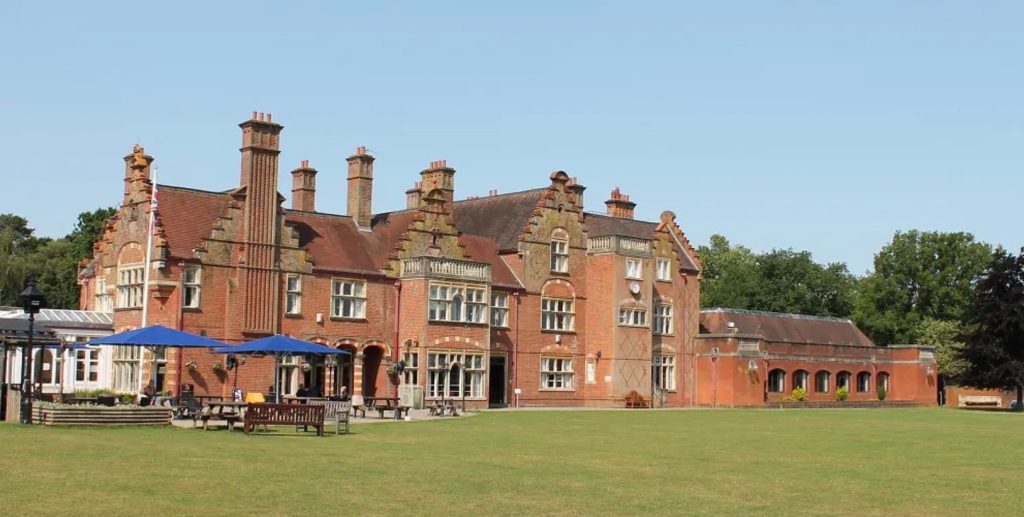
The Warren, a Grade II listed manor set in 22 acres near Bromley, is a useful example of what that flexibility looks like in practice, with rooms ranging from smaller boardroom spaces through to a hall licensed for up to 300 guests, in-house catering, a private bar and free on-site parking included in the day rate rather than priced as an extra.
It’s a reasonable model for what to look for generally when booking a day delegate rate this season: a venue with enough variety in its room sizes and formats that a single away day can move from a morning strategy session into a breakout workshop and, where needed, into an evening celebration, without the business having to coordinate three different venues to get there.
Frequently Asked Questions
What is a day delegate rate?
A day delegate rate (DDR) is a single per-person price that bundles room hire, refreshments and standard equipment for a full day, rather than charging for the room and everything else separately. It’s the standard way UK venues price a corporate meeting or away day, and it makes comparing two venues far easier than comparing a bare room-hire quote against an all-inclusive one.
What’s the difference between a boardroom and a conference room?
A boardroom is a smaller, more formal space built around a single table, typically suited to a leadership meeting or a small client presentation. A conference room is usually larger and more flexible, able to seat more people in theatre or classroom style, and better suited to a bigger away day with breakout sessions.
Is it cheaper to book a day delegate rate outside central London?
Generally, yes. Venues outside the most central zones typically price 20 to 35% lower than central options, according to Jigsaw Conferences’ 2026 UK Venue Pricing Benchmark, and often include parking and grounds that would be priced separately, if available at all, in the city centre.
Can one venue handle both a corporate day and an evening celebration?
Some venues are built specifically for this, offering a day rate that covers a meeting or workshop earlier in the day alongside an evening function such as a private dinner or celebration. It’s worth checking directly whether a venue treats this as one combined booking or two separate ones, since that affects both the price and the logistics.
How far in advance should I book an away day venue?
Autumn and the first quarter of the year are the busiest periods for UK conference and meeting bookings, so popular dates in those windows get booked out first. Booking at least a few months ahead gives more choice of room size and format, though venues with multiple spaces are more likely to have late availability than single-room venues.
What should be included in a day delegate rate quote?
A standard day delegate rate should cover the room, refreshments and basic AV equipment, but catering upgrades, breakout rooms and parking are sometimes charged as extras. Asking a venue to confirm exactly what’s included before booking avoids a gap between the quoted rate and the final invoice.
The Practical Takeaway
None of this means the city centre conference room is finished. For a short meeting with a handful of attendees who are all in the office that day anyway, it’s often still the simplest option. But for the increasingly common away day, the one or two times a quarter a hybrid team is actually all in one place, the calculation has shifted.
A day delegate rate now needs to cover more ground than it used to, the price difference between central and outer venues has grown large enough to matter, and the businesses getting the most out of these days tend to be the ones treating the venue as part of the planning rather than an afterthought booked once everything else is settled.
You might be interested in reading more tips in home and leisure.