Come October, most of us pack the sunscreen away with the sandals and forget about it until May. It feels logical. The days are short, the sky is grey, and it is hard to imagine burning on a drizzly walk to the station.
But the sun does not switch off in winter. Burning is less likely, but the rays that age skin are still there, and for anyone heading to the slopes or chasing winter sun, the risk can be higher than on a British summer’s day.
UVA Does Not Take the Winter Off
Sunlight carries two kinds of ultraviolet rays that matter for skin. UVB is the one that burns, and it drops sharply in a UK winter. UVA is different. It stays far more consistent through the year, passes through cloud and even window glass, and reaches deeper into the skin, where it contributes to fine lines, pigmentation and loss of firmness.
That is why many dermatologists suggest a daily SPF as the final step of a morning routine, whatever the season. For winter, a lighter, everyday organic sunscreen made with mineral filters is an easy way in. It sits comfortably under make-up, does not leave skin feeling greasy and will not irritate a face already dealing with cold wind and central heating.
Mineral or Chemical?
Sunscreens work in one of two ways. Chemical filters absorb UV and convert it to heat. Mineral filters, mainly zinc oxide and titanium dioxide, sit on the surface of the skin and block it.
Zinc oxide has a lot going for it. It protects against both UVA and UVB, works as soon as it is applied and is generally well tolerated by sensitive skin, which tends to be more reactive in winter anyway. Look for “non-nano” on the label if you prefer larger particles that stay on the surface. Formulas built around soothing ingredients such as aloe vera and rosehip oil can also help counter the dryness that cold weather brings.
Snow, Altitude and Winter Sun
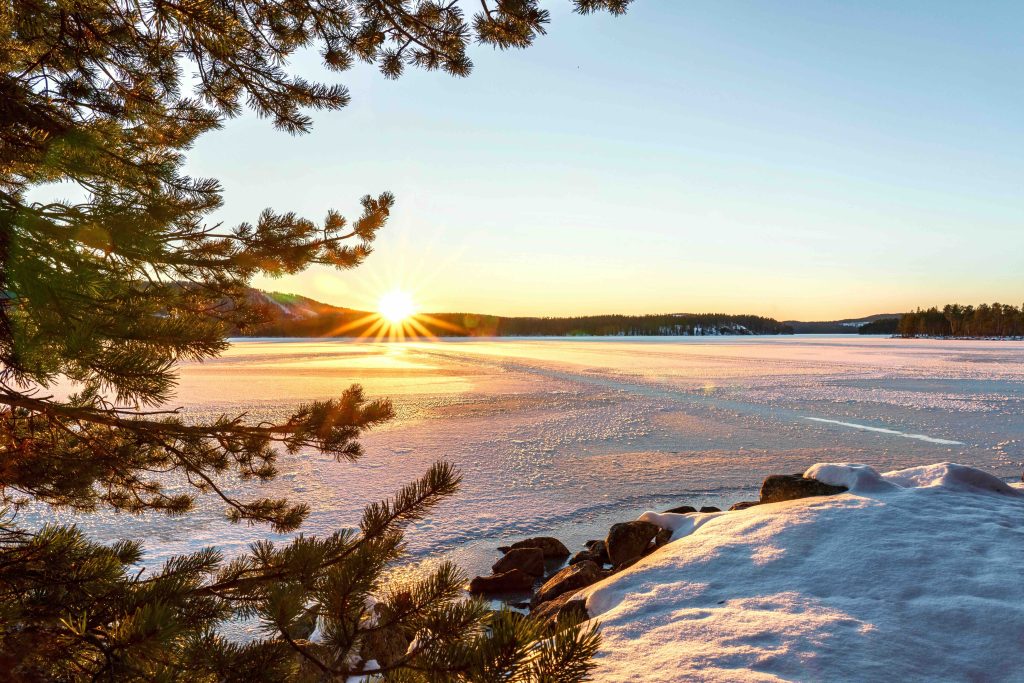
If you are heading skiing this season, sunscreen moves from sensible to essential. UV levels rise with altitude, and fresh snow reflects up to 80% of UV radiation back up at you, hitting places you would not normally think about, such as under the chin and the underside of the nose. Plenty of skiers come home with goggle marks and sore lips despite freezing temperatures.
The same goes for a winter break in the Canaries, the Caribbean or anywhere closer to the equator. Skin that has seen little sun for months burns quickly, so pack a higher factor and reapply after swimming and every couple of hours.
Don’t Forget Your Lips
Lips have very little natural protection and take the brunt of winter wind. A lip balm with SPF does two jobs at once, keeping lips soft while shielding them from UV. It is one of the cheapest and most useful things to keep in a coat pocket from November to March.
A Simple Winter Routine
Cleanse gently, use a richer moisturiser than you would in summer and finish with SPF before you head out. On dark weekday mornings when you are barely outside, a moderate factor is enough. For long walks, outdoor sport or time on the slopes, go higher and reapply.
It takes a few seconds, and your skin will thank you for it long after the winter is over.
You might be interested to read more tips in our wellness.